Secrets of the Viaducts: Walking the London Bridge to Greenwich Arches (Part One)
Catch a train from London Bridge towards Greenwich and you’ll find yourself whisked along the entire length via a three and a half mile long viaduct; 878 brick arches which snake their way through London’s south-eastern suburbs.
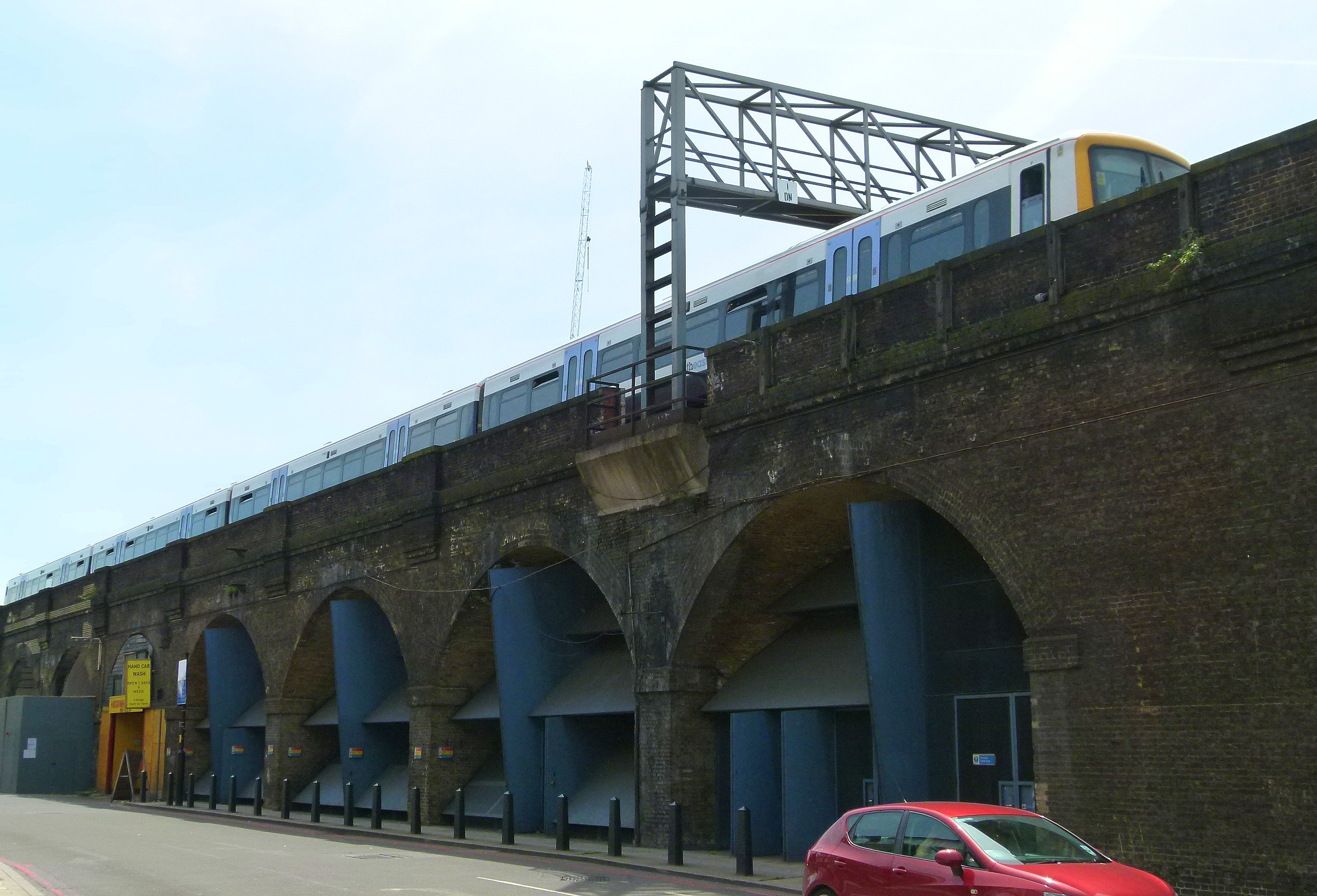
A section of the London to Greenwich viaduct, Druid Street.
Built during the reign of King William IV, this impressive piece of engineering was originally a self-contained system; The London and Greenwich Railway which, as well as being the capital’s earliest railway, also achieved two other titles- being both the first suburban commuter line and the first elevated railway in the world.

The London & Greenwich Railway in 1837.
Inspired by the world’s very first passenger service which had started operating between Liverpool and Manchester in September 1830, the London and Greenwich Railway was the brainchild of Colonel George Thomas Landmann; an engineer who had developed his talents in the military.

The purple line depicts Landmann’s original route- which is entirely elevated. (Image: Google Maps)
After gaining planning permission, it was agreed that the line was to be “constructed on arches, in such a manner that passengers and carriages may pass along the streets which the line will cross without being in any way obstructed.”

Arch over Bermondsey Street.
From the offset the project was clearly aimed at conveying city commuters, with a report in The Observer stating that “the man of business, who goes to town daily, will save eight hours of his time per week…”
The first stone was laid in November 1833 and by the 8th February 1836 the London and Greenwich Railway was open for business- on the first day alone, the line carried 13,000 eager passengers.
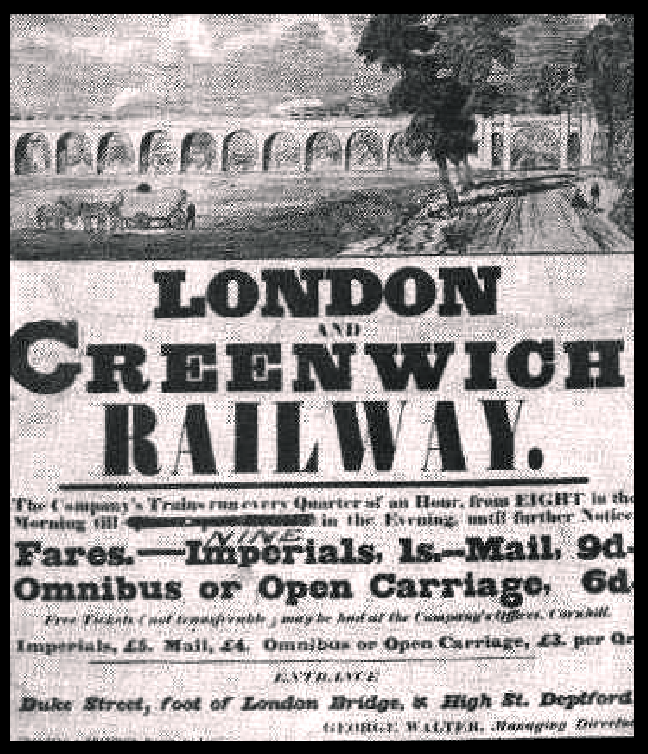
At this early point however, the route had not yet reached London Bridge- trains could only run from New Cross to a temporary terminal on Bermondsey’s Spa Road (more of which in part two). The viaduct was fully completed on the 14th December 1836.
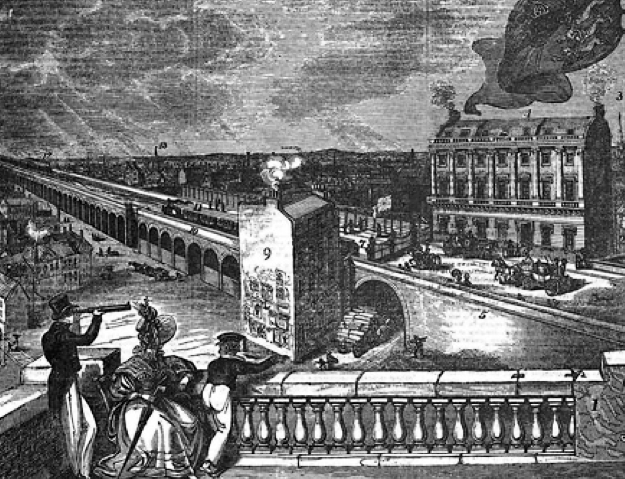
View near London Bridge shortly after the station’s completion.
During the line’s earliest days, two other innovations were tested on the viaduct.
Originally, Colonel Landmann had suggested that there was money to be made by converting many of the arches into cheap housing- and a small collection of show homes were indeed added.
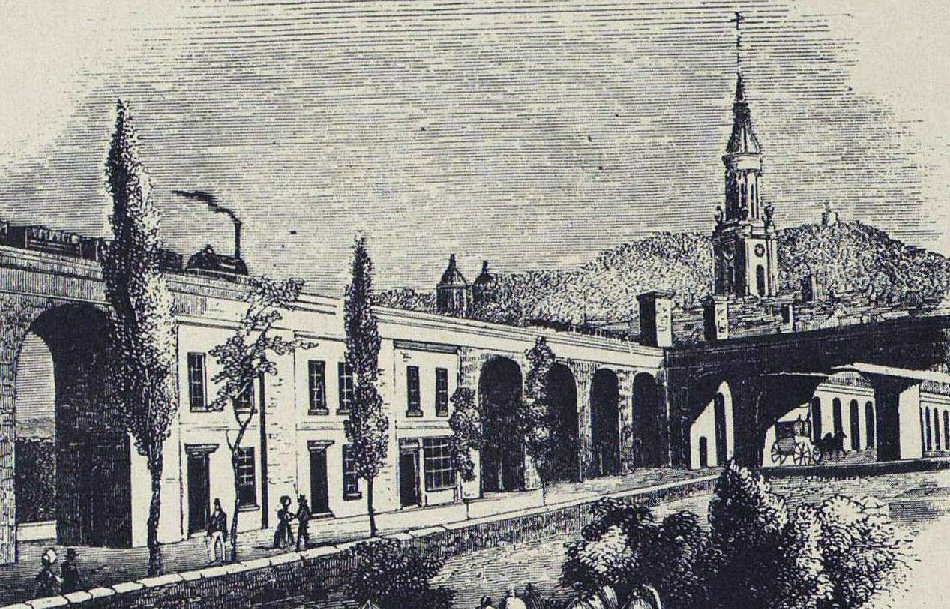
Experimental housing beneath the arches in Deptford (image: London Illustrated News).
The residents who spent time in these “neat dwelling houses” apparently agreed that “the passing of the trains over is said to be only like the noise resembling thunder, but from the rapidity of the motion is away in an instant.”
Despite this positive feedback the idea never took off, thus leaving the arches ripe for occupation by garages, warehouses and the occasional trendy bar.

The other novelty to be given a trial was a pedestrian walkway which ran directly alongside the tracks and could be accessed by the public for a small toll. However, when directors realised just how profitable their railway had become, this path was promptly taken over by the iron road.
Nowadays therefore the only way to follow the viaduct on foot is by weaving your way through its many arches at street level… which is a good thing if you enjoy exploration as there is plenty of history to discover down below…
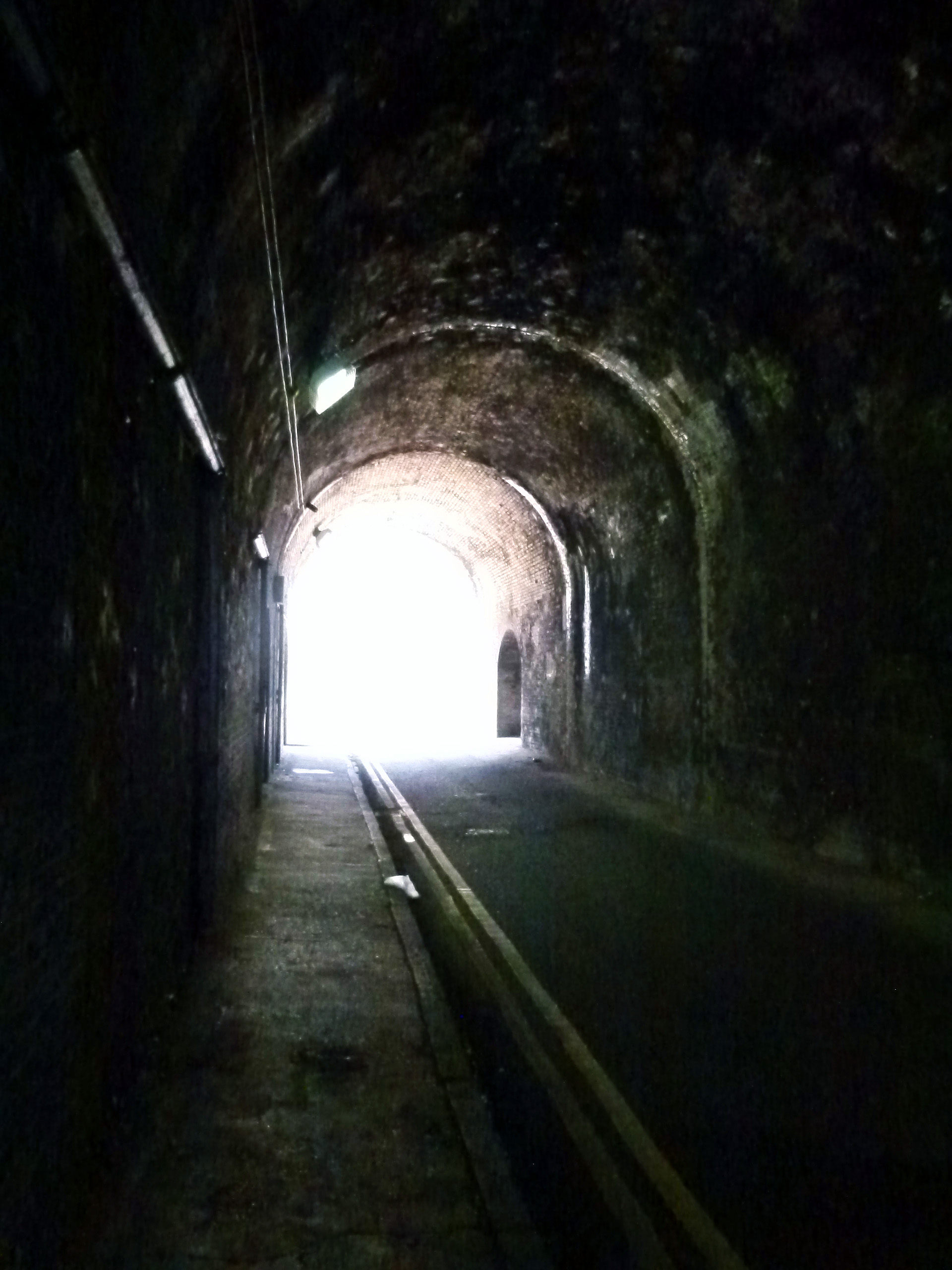
Linsey Street: one of the London to Greenwich viaduct’s many atmospheric arches….
To be continued…
Young Mozart’s London
Tucked away in Belgravia, a short walk from the chaos of Victoria’s bustling coach and railway stations, you’ll find Ebury Street, the southern end of which is home to a little corner of London that will be forever associated with one of the world’s greatest composers: Wolfgang Amadeus Mozart.
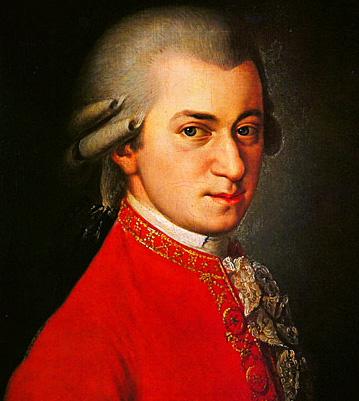
Wolfgang Amadeus Mozart (portrait by Johann Nepomuk della Croce, 1780).
Born in Salzburg, Austria on 27th January 1756, Mozart was the youngest of seven children; five of whom died in infancy.
As a toddler, young Amadeus displayed a keen interest in the violin and the clavier (a keyboard instrument similar to a piano); a fascination which was actively encouraged by his father, Leopold who himself was an accomplished composer and music teacher.

Leopold Mozart (portrait by Pietro Antonio Lorenzoni, 1765).
Amadeus’ older sister, Maria Anna (affectionately known as Nannerl) also displayed impressive musical flair, her talent idolising her in the eyes of her little brother.
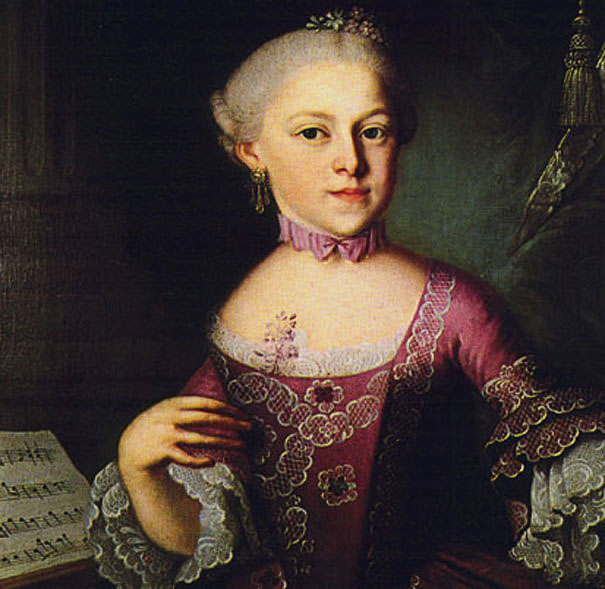
Maria Anna Mozart (portrait by Pietro Antonio Lorenzoni, 1763).
In 1762 when Amadeus was aged 8 and Nannerl 11, their parents decided to take the child prodigies on a grand tour of Europe to showcase their skills amongst the continent’s greatest cities including Vienna, Prague, Munich, Zurich and Paris.

Miniature of Amadeus and Nannerl by Eusebius Johann Alphen, 1763.
In April 1764 the Mozarts arrived in London where they would remain until July the following year.
After a rough sea crossing and a brief stay in Piccadilly’s White Bear Inn (now the site of the Criterion Restaurant), the Mozarts found their first London digs at number 9 Cecil Court, a little lane connecting Charing Cross Road to St Martin’s Lane.

Cecil Court today (image: Google Streetview).
London’s scientific community were fascinated by Amadeus’ outstanding talent and it was at Cecil Court that the youngster’s musical aptitude was closely examined by Dr Charles Burney. A report on Amadeus, compiled by the philosopher, Daines Barrington was later presented to the Royal Society.
*
During their lengthy sojourn in the capital, Amadeus and Nannerl demonstrated their musical abilities at numerous venues; one of which was Chelsea’s Ranelagh Gardens (now famous for being home to the annual flower show).
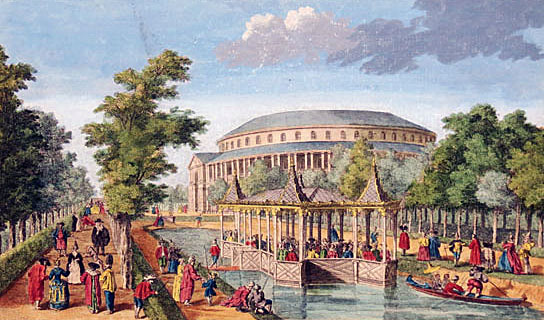
Ranelagh Pleasure Gardens, Chelsea.
The children also played for King George III and Queen Charlotte on three separate occasions. These special performances took place in ‘Queen’s House’… the building we know today as Buckingham Palace.
Amadeus and Nannerl proved very popular with the Royal couple and the King took great delight in greeting the family from his coach when he spotted them strolling through St James’s Park.
*
In August 1764 the Mozarts moved to Ebury Street; then known as ‘Five Fields Row’. At the time, this area was in surrounded by pleasant countryside, yet to be engulfed by the greater swell of the metropolis.
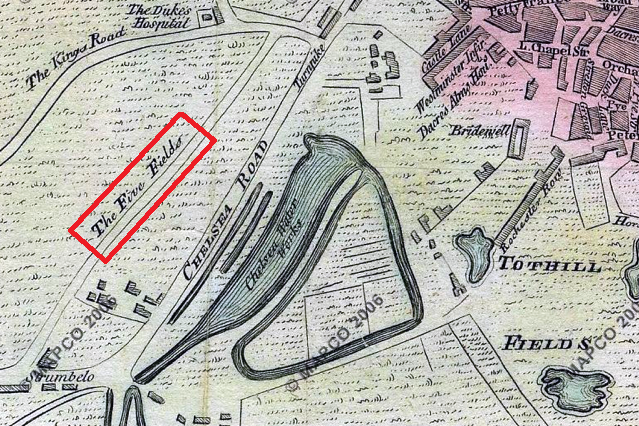
Early 18th century map of ‘Five Fields’ (image: Old London Maps).
It was this location’s pastoral setting which enticed the family to the area, as Leopold Mozart was suffering from a bout of illness and needed the fresh country air to help him recuperate.
180 Ebury Street is of great importance in the life of Wolfgang Amadeus Mozart, for it was in this very building he composed his first two symphonies; an amazing feat considering he was just 8 years old at the time.

180 Ebury Street (the home with the black door was once occupied by the Mozart family).
The home’s role in the history of classical music is commemorated by a plaque which was added in 1938. The row of buildings has also been christened ‘Mozart Terrace’.

On Orange Square, which lies a few feet away on the junction of Ebury Street and Pimlico Road, a further tribute can be found; a statue of the great composer as a child.

Statue of the young Mozart, Orange Square.
Unveiled by Princess Margaret in 1994, this little statue was created by Philip Jackson; an acclaimed sculptor whose other pieces around London include the Ghurkha Memorial on Horseguards Avenue, artist Terence Cuneo at Waterloo Station, Bobby Moore at Wembley Stadium and the recent Bomber Command memorial in Green Park.
Jackson’s sculpture of young Mozart was the culmination of a long campaign to have a memorial installed in the area- the first idea, which envisioned a fountain, was first mooted in 1961 but failed to come to fruition.

Mozart memorial proposal from 1961 (image copyright The Times).
*
Towards the end of their time in London and with cash running short, the Mozarts found cheaper lodgings back in town at 15 Frith Street, Soho. The original building has long gone, although a blue plaque commemorates the site which is now covered by number 21.
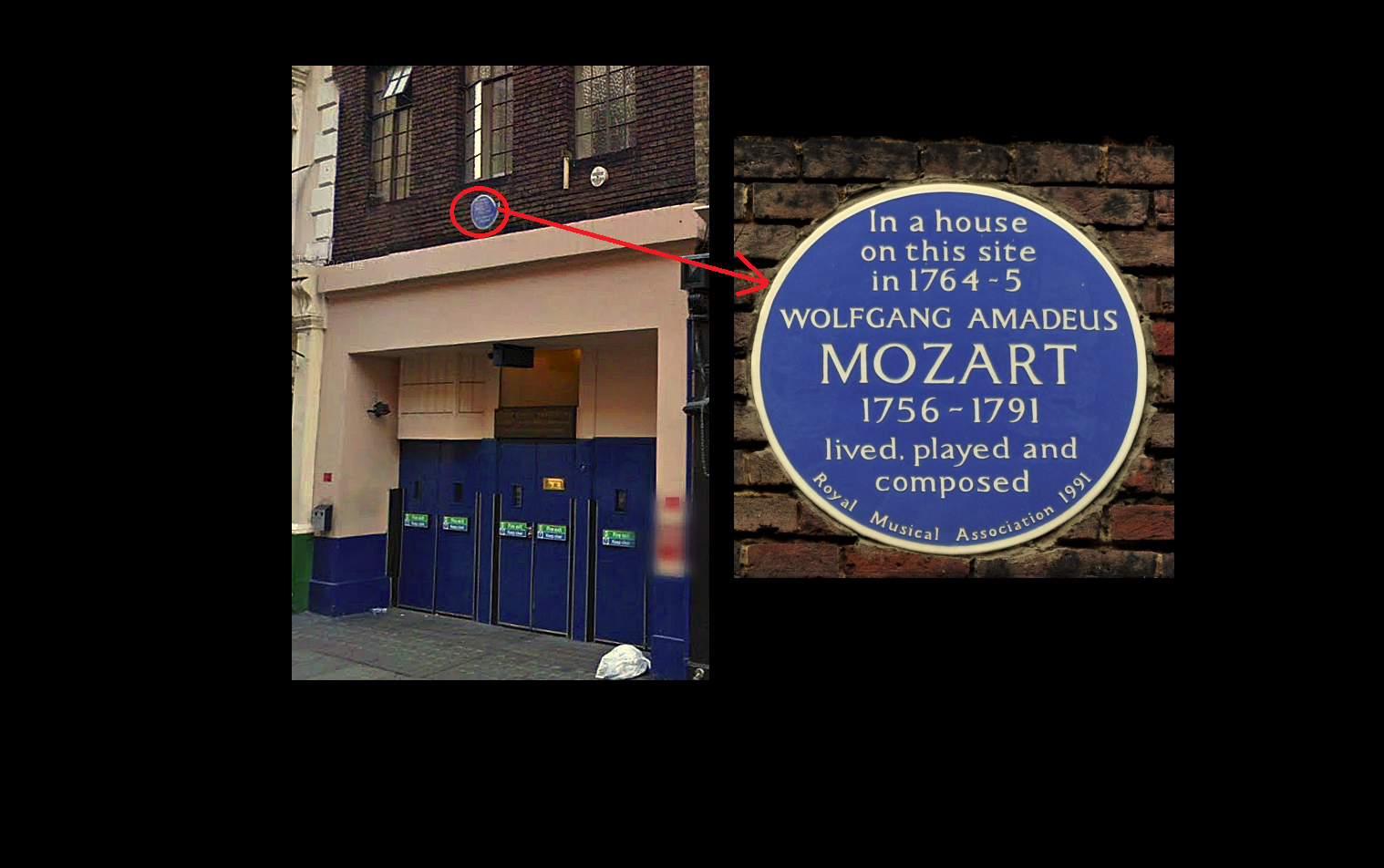
Mozart’s Frith Street, Soho.
Seeking to make a quick buck, Leopold changed tact somewhat and decided to turn his son’s talents into something of a party trick, inviting the paying public to test young Amadeus’ skills by “giving him anything to play at sight, or any music without bass, which he will write upon the spot.”
*
Despite the celebrated musical career which ensued in adult life, Wolfgang Amadeus Mozart never returned to London.
Laden with financial woes and poor health, the genius composer died in Vienna on the 5th December 1791 aged just 35. He was buried in an unmarked grave.
An excerpt from Mozart’s first symphony, written on London’s Ebury Street when he was just 8 years old, can be heard below.
Cabbie’s Curios: The Markets That Never Were…
Ever since Roman times, markets have been an integral part of London’s fabric. Many have come, lots have gone, some have switched location altogether whilst others have evolved and reinvented themselves as lively tourist destinations.
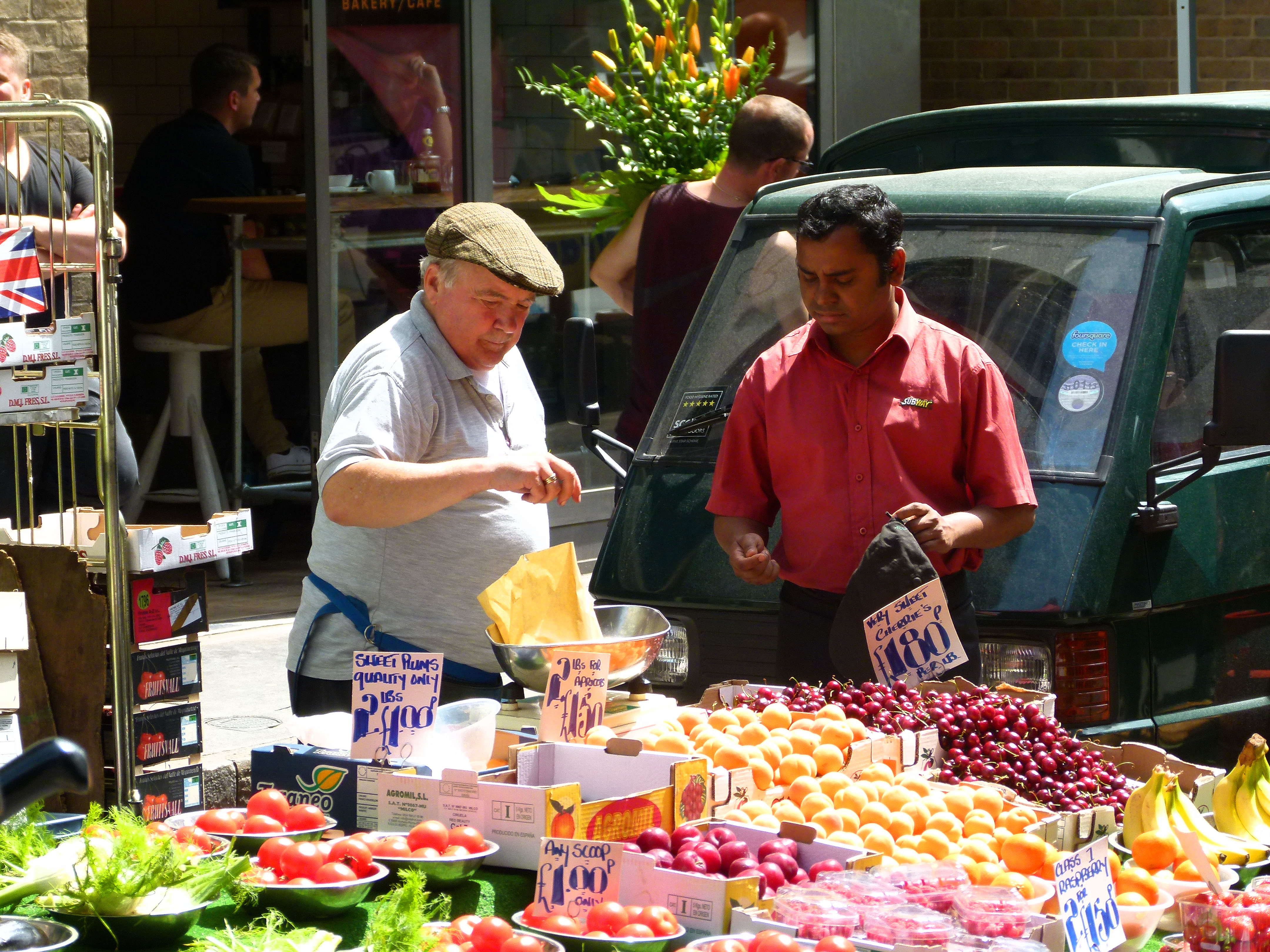
Beriwck Street Market in Soho.
*
Back in 1893, the London County Council’s Public Control Department commissioned a report into the capital’s 138 markets examining their size, income, impact on the local area and so on.
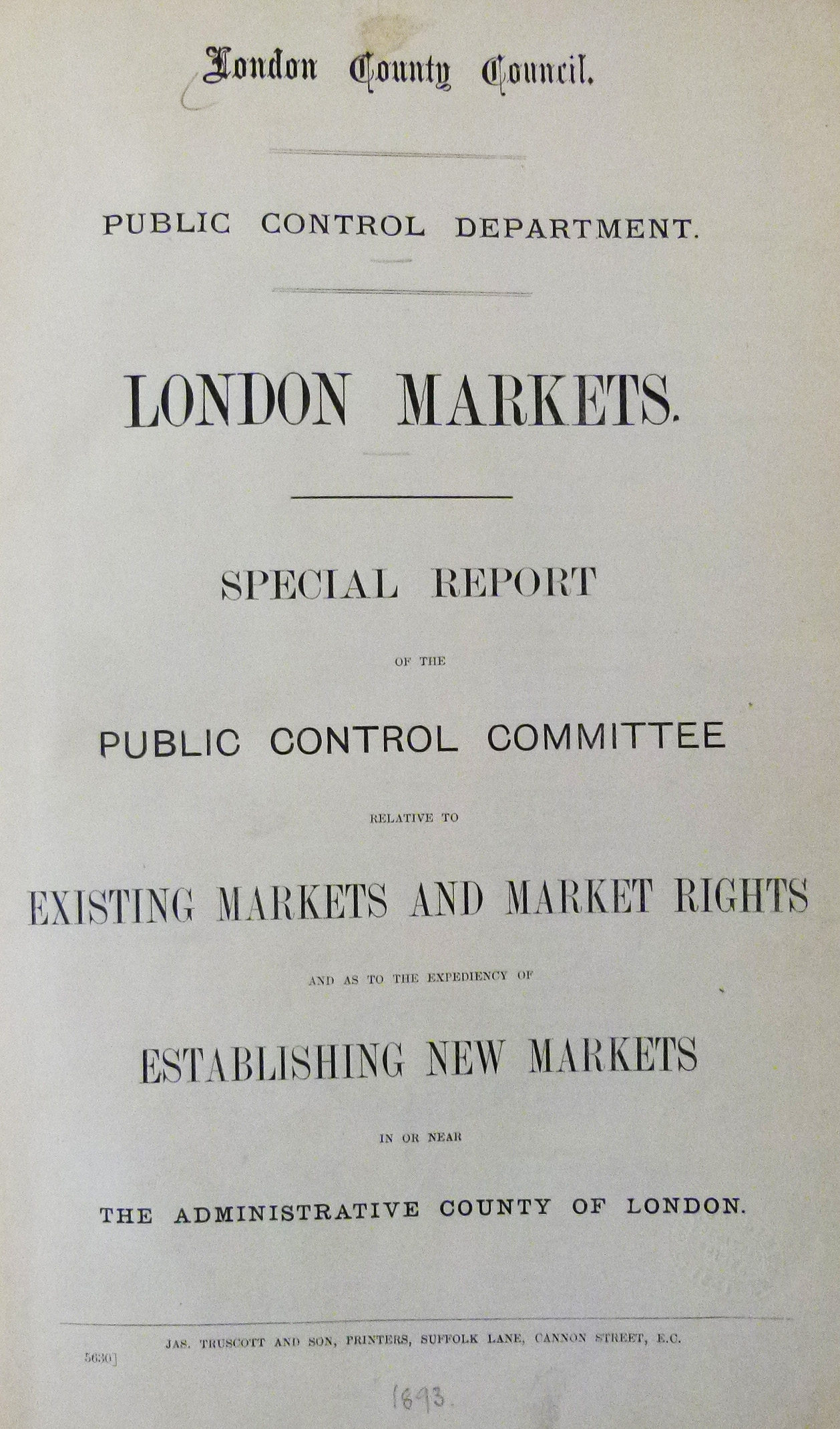
Intriguingly, the report singled out three markets in particular- all of which lay in what were then impoverished areas- suggesting that they should be drastically expanded with large, purpose built premises containing both stall space and other amenities for the benefit of the public.
The document contained sketches of these proposals… none of which were ever put into practice.
Had the schemes been embraced, the districts in which they stood would have been greatly altered and would no doubt appear very different today.
Here is a brief glimpse, therefore of a London that never was…
Leather Lane Market
Leather Lane runs parallel to Hatton Garden; London’s famous jewellery quarter.
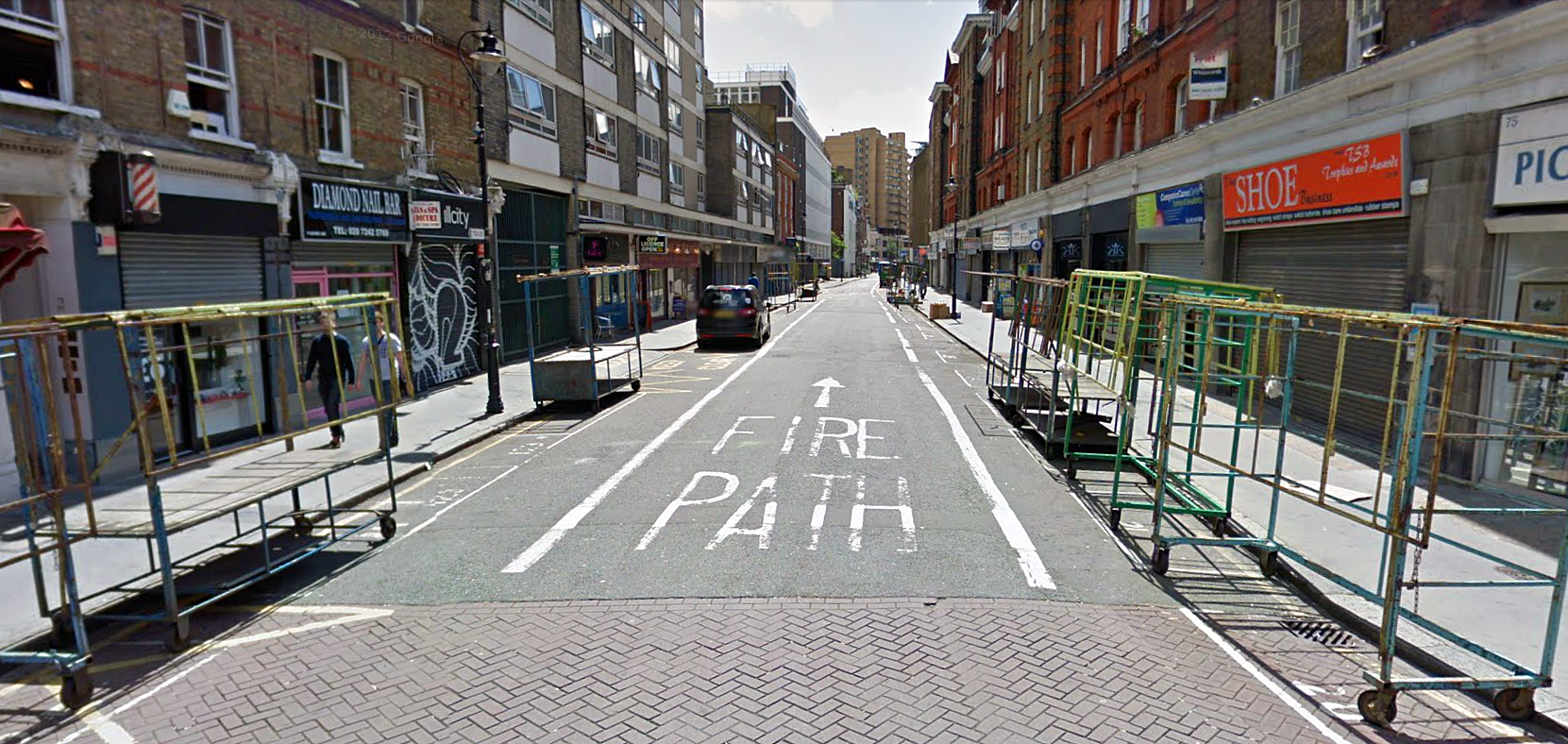
A quiet Leather Lane today (image: Google Streetview).
Although leather goods were indeed sold here, it is believed that the name derives from ‘leveroune’; the French term for greyhound and probably the name of a once local tavern. (Nowadays, the word is spelt ‘levrier’).
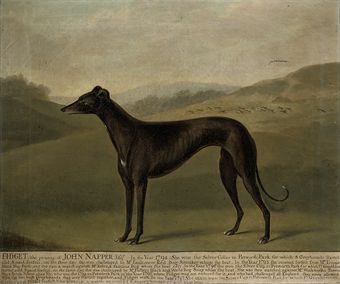
An 18th century Greyhound (image: Christies).
According to the 1893 report, the market held on Leather Lane has “existed from time immemorial” and that the area was “a poor and densely populated district” inhabited by residents who are “chiefly of the labouring class.”

“The eviction of poor Irish families” from Leather Lane, Illustrated London News, January 1892.
The report also described Leather Lane market as being severely overcrowded; “serious inconvenience is caused to the vehicular and general traffic, which on Saturday becomes entirely blocked… At midday in the fruit season the market is densely packed with work-people, lads and girls.”
In order to eradicate this congestion and also to “improve the dwellings of the poor”, the report suggested that a huge, purpose built hall be constructed to accommodate the market.

Floor plan of the proposed Leather Market.
Had it materialized, the market hall would have been circular with ample space for stalls, washing facilities and even a playground on the roof!

The proposed building for Leather Lane.
At the centre of the market there would have been a bandstand, below which would have been a “coffee tavern.”

Where the market would have stood…
Although this grand version never made it off the page, Leather Lane Market survives to this day, albeit on a far smaller scale than its Victorian heyday.
*
Strutton Ground Market
Established in the 1860s and located moments away from Westminster Abbey, Strutton Ground Market runs along a narrow lane linking Victoria Street to Horseferry Road.

Strutton Ground (image: Google Streetview).
The name derives from ‘Stourton House’; a mansion once based in the area which belonged to the Lord Dacre of the South.
The County Council’s report stated that Strutton Ground was part of “an old district, very thickly populated, the residents, exclusive of the shop-keepers, consisting chiefly of artizans, labourers and the poorer class.”
As with the proposals for Leather Lane, the report envisioned a large market hall with a bandstand, coffee shop and roof-top playground. The exterior was a rather different design though; a bold, rectangular block:
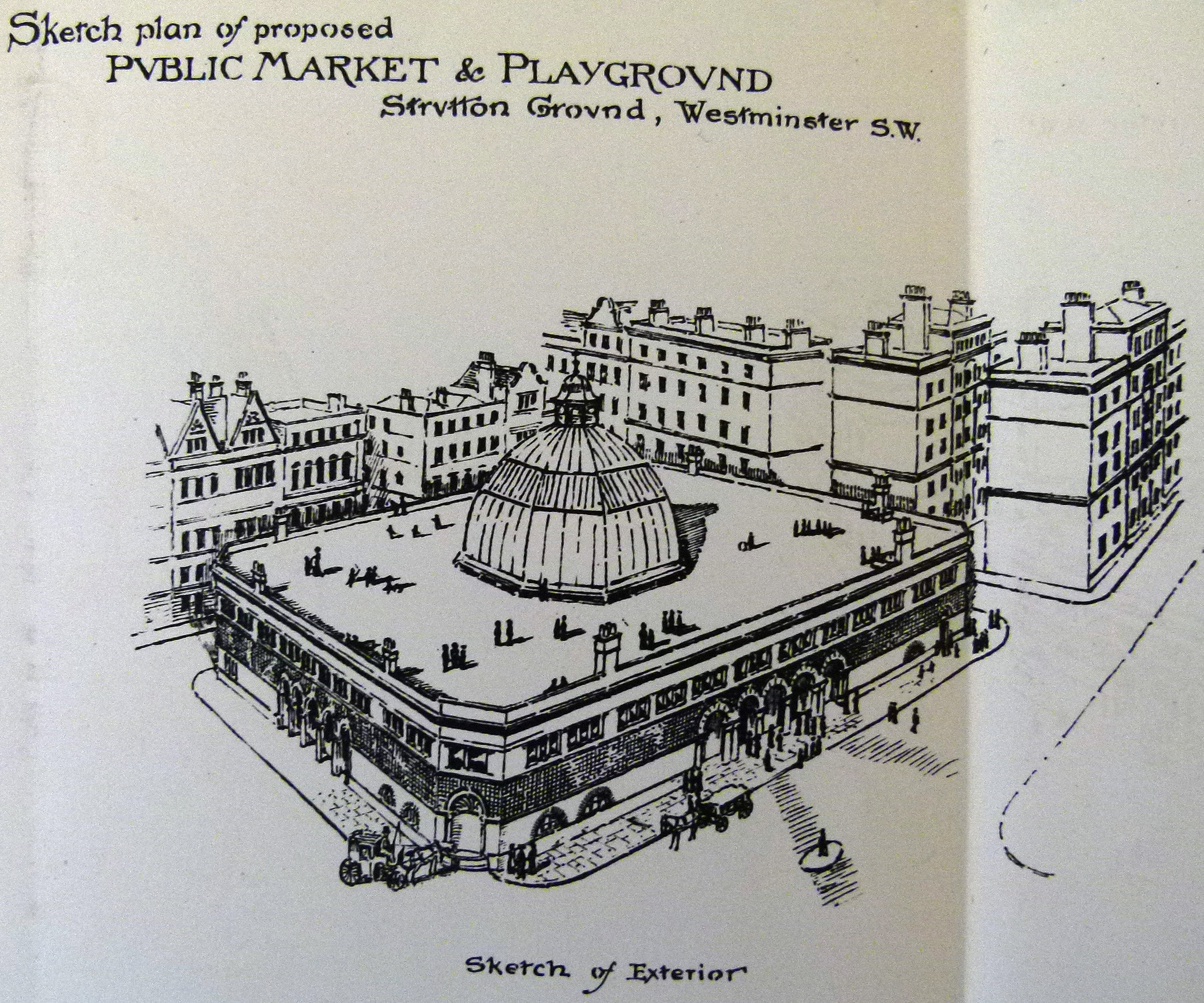
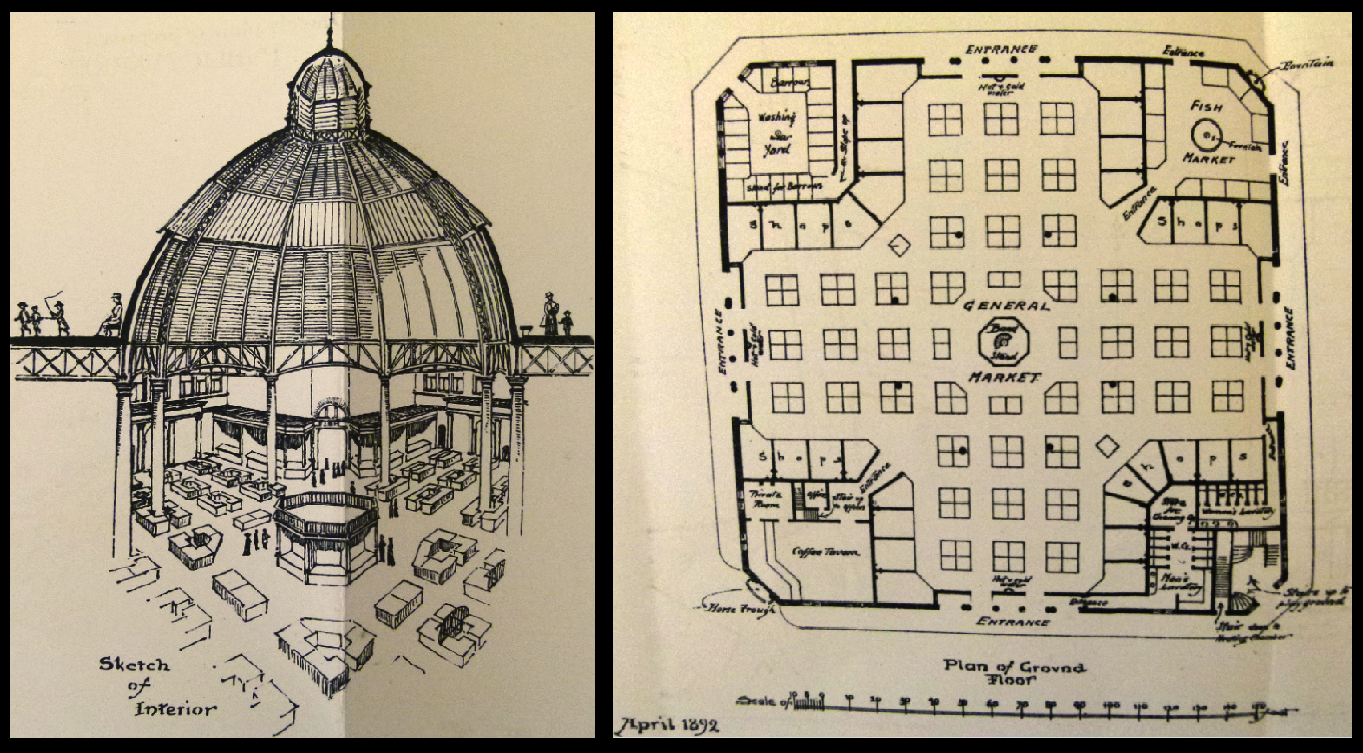
The proposed dome and floor plan for Strutton Ground market.
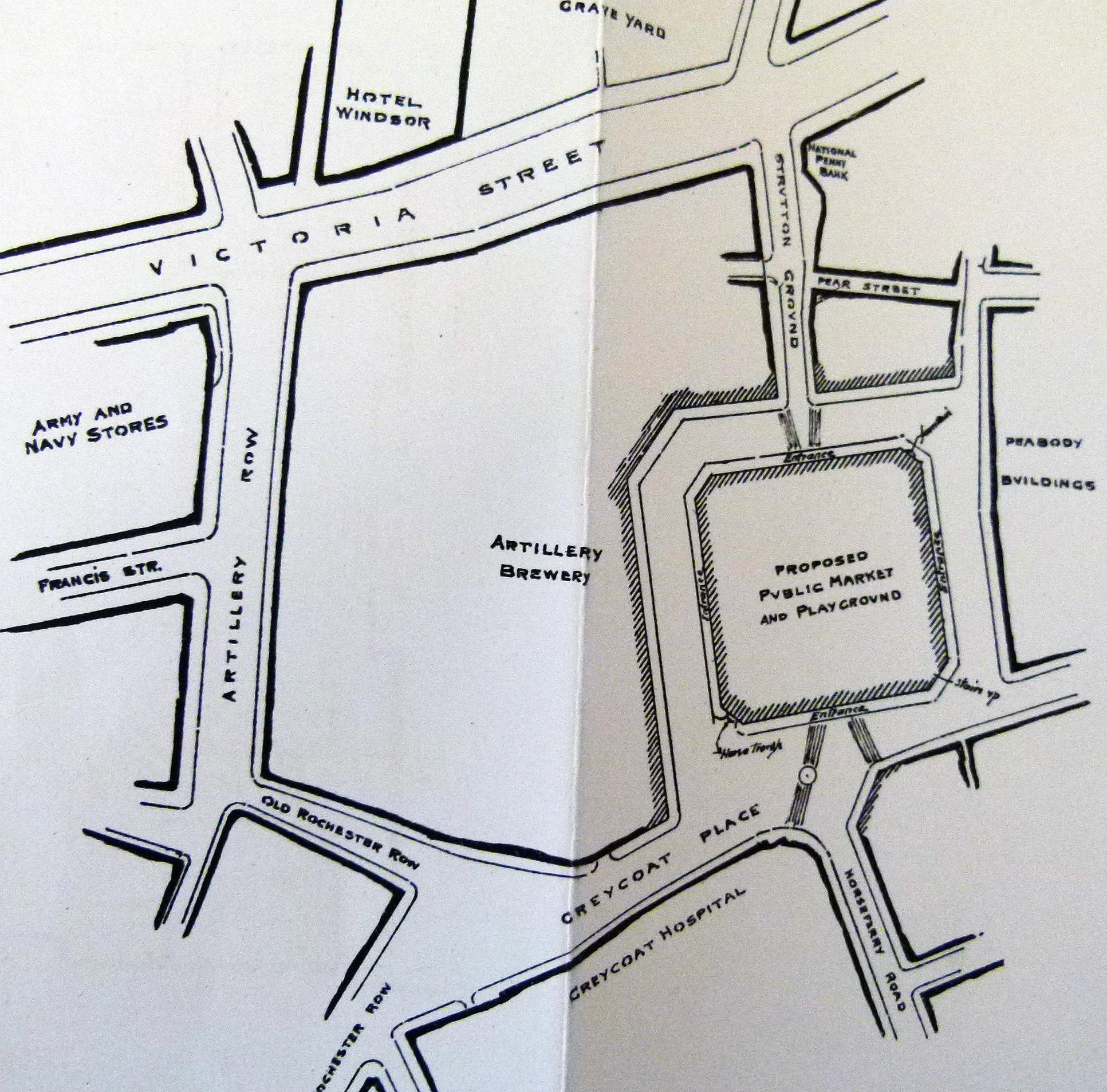
Where the market would have stood if built.
As with Leather Lane, these plans were never used. The market on Strutton Ground continued without development and still operates today. It is especially popular with workers from the many nearby offices.

Strutton Ground market today (Image: Geograph).
Clare Market
Clare Market began operating in the 17th century and took its name from the Earl of Clare, John Holles who owned the land.
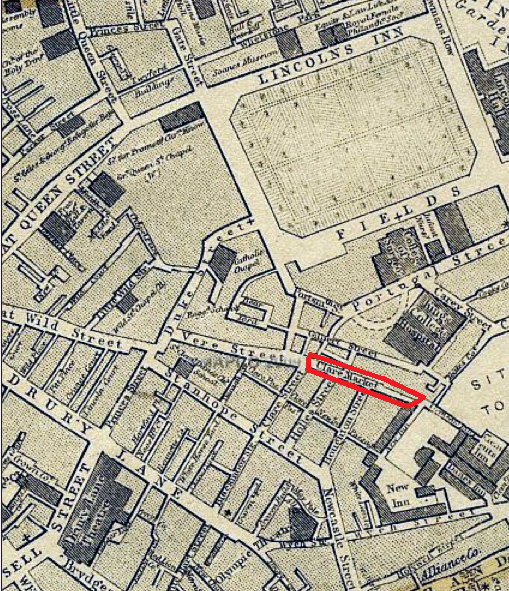
Location of the former Clare Market.
The 1890s report described the area served by Clare Market as being “very densely populated… chiefly occupied by the poorest class of people who are crowded into courts, alleys and lodging houses.”
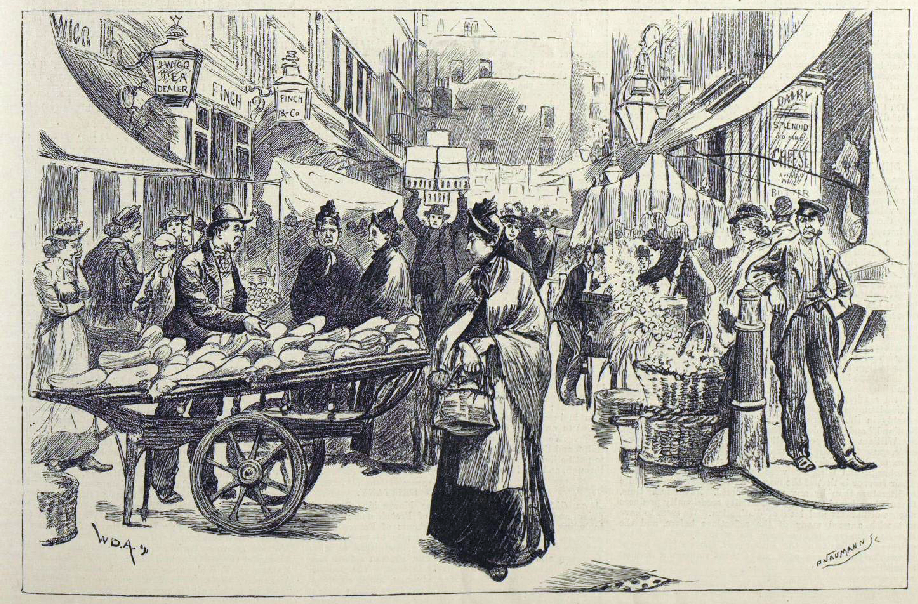
Clare Market, The Illustrated London News, September 1891.
With trade at Clare Market in steep decline, the report’s proposal was not as grand as those dedicated to Leather Lane and Strutton Ground, simply consisting of a basic floor plan.
However, like the other two proposals, running water, a bandstand, coffee tavern and overhead playground were all key components which it was hoped would go some way to alleviating poverty in the area if implemented.
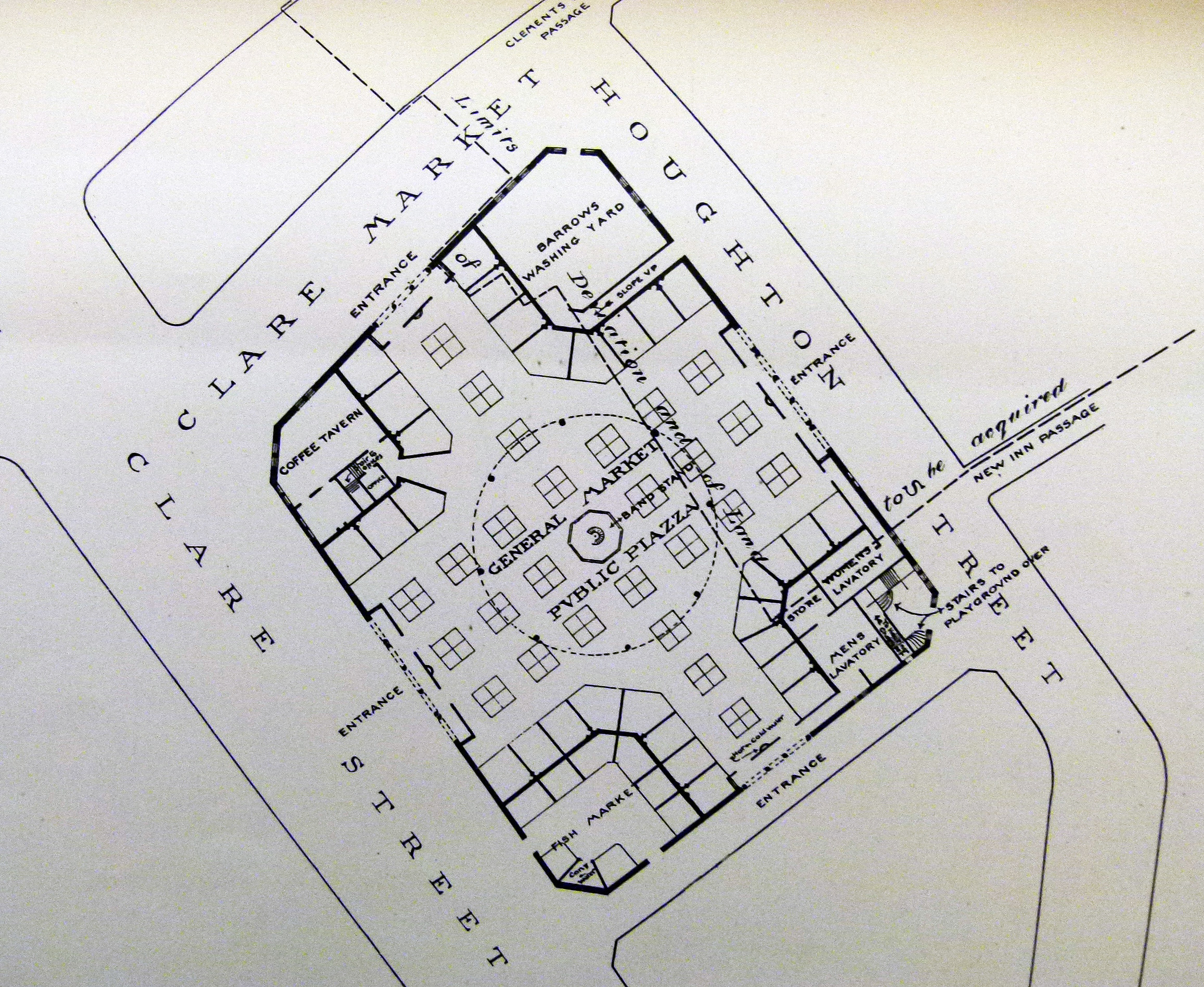
The 1890s proposed floor plan for Clare Market.
Although the report stated that “the Strand Board of Works is of opinion that the market should be allowed to remain”, Clare Market and its surrounding slums were swept away just seven years later, replaced by the grandiose Kingsway and Aldwych development.

Construction of the Kingsway scheme, 1905 (image from ‘Woman and her Sphere’ site).
Today, the spot is now home to the London School of Economics, thus linking Clare Market to financial markets rather than those of the costermonger.

The street known as Clare Market today, now occupied by the London School of Economics (image: Google Streetview).







 View from the Mirror