London Taxis in 1960
Back in 1960, the Rank Organisation’s ‘Look at Life’ division (which created short, factual films for cinemas across the UK) made a documentary focusing on London’s famous black taxis.

In nostalgic terms this short film is a real treat. Here are some highlights:
*
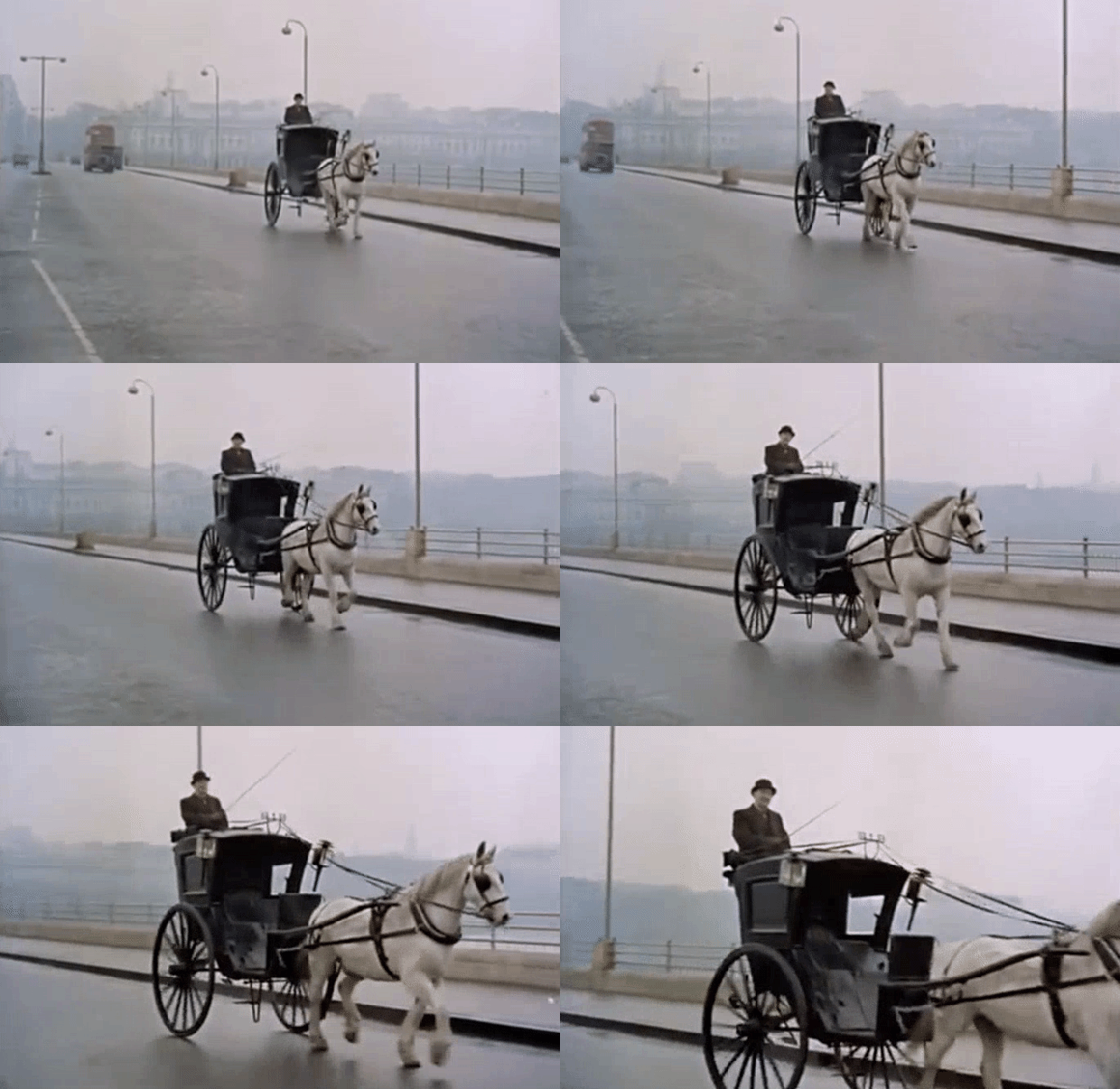
The opening sequence features a traditional horse-drawn hansom cab trotting over Waterloo Bridge. The cab was driven by Fred Jones who, then aged 75, was old enough to have embarked upon his career long before the combustion engine took over. London’s last horse-drawn cab was withdrawn in 1947.
According to the film, in 1960 there were “about 6,000 taxis in London.” In 2017 that figure now stands at around 25,000, alongside approximately 115,000 private hire cars. The narrator also informs us that in 1960 there were 2,000 less cabs than before the war- a subtle reminder of the impact WWII had on the trade.

One of the older incarnations of the Public Carriage Office (the body responsible for regulating the capital’s taxis) can be glimpsed in the film. In those days it was based at 109 Lambeth Road, moving to Islington’s Penton Street a few years later in 1966. The office is now located in Southwark.

In the early 1960s Knowledge students tended to explore London on bicycles. Mopeds are now the vehicle of choice.

Although this was filmed in the early 1960s, the Knowledge school I attended looked pretty similar to this; big maps, books spread out and lots of anxious students. The school featured here was run by the Royal British Legion for ex-servicemen and was based on Kennington Oval. According to the film, the course took one year in 1960… today the average time to complete The Knowledge is at least four times that.

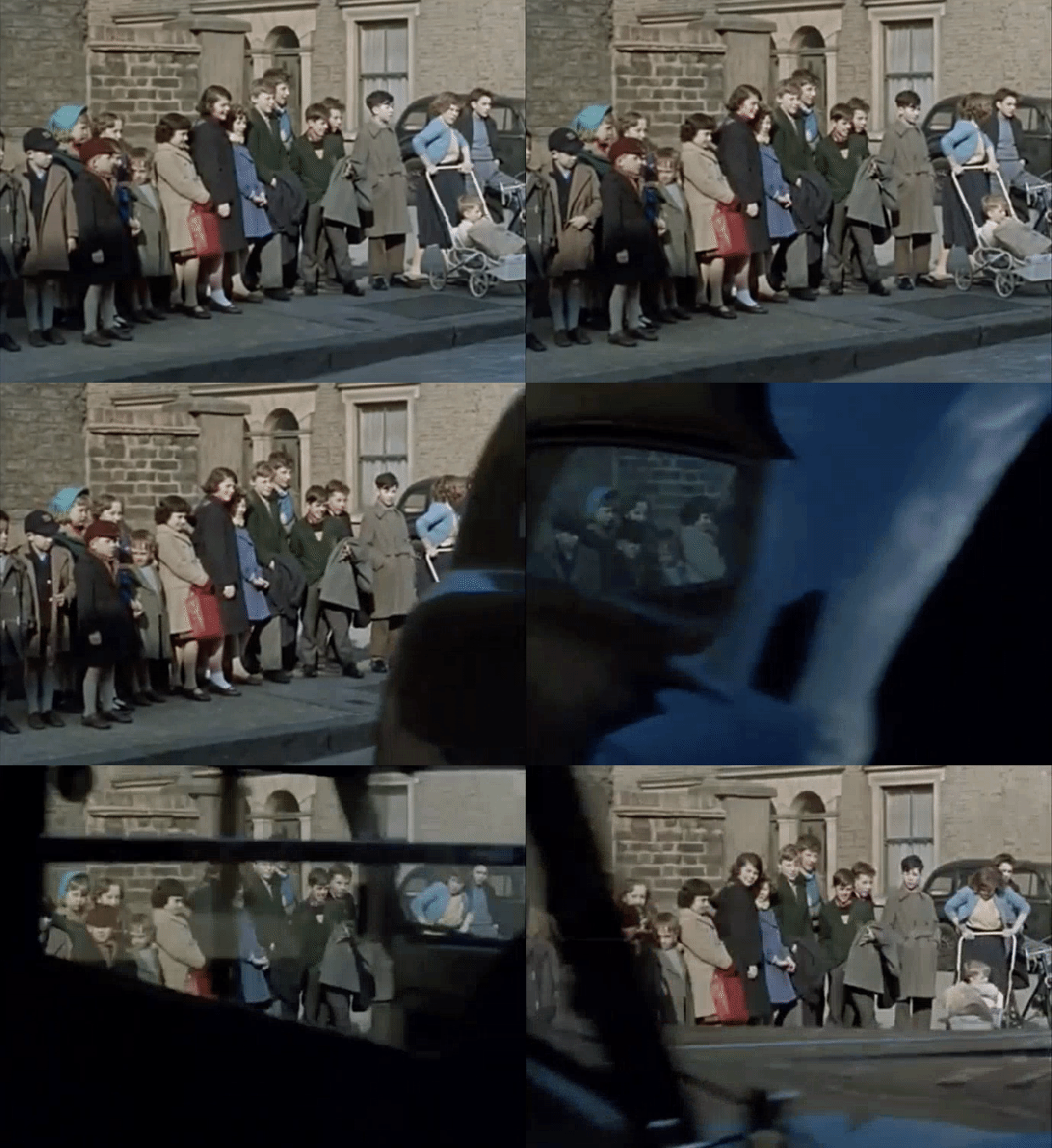
Tough driving tests are still required today. Luckily I didn’t have to suffer an audience when I took mine.
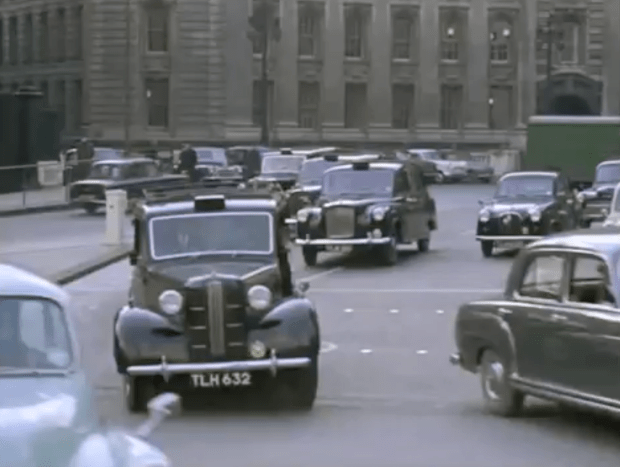
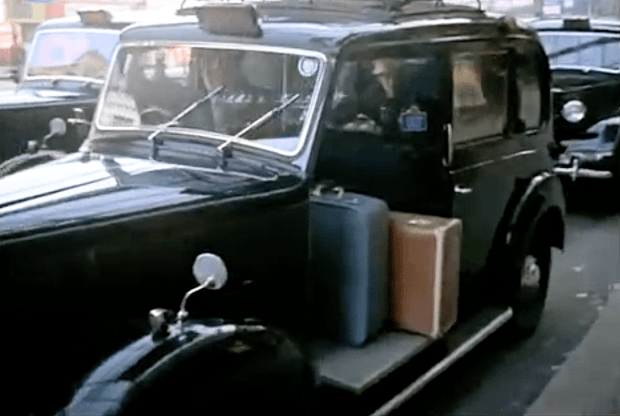
In 1960 there was a lovely mix of old taxi models on the road.
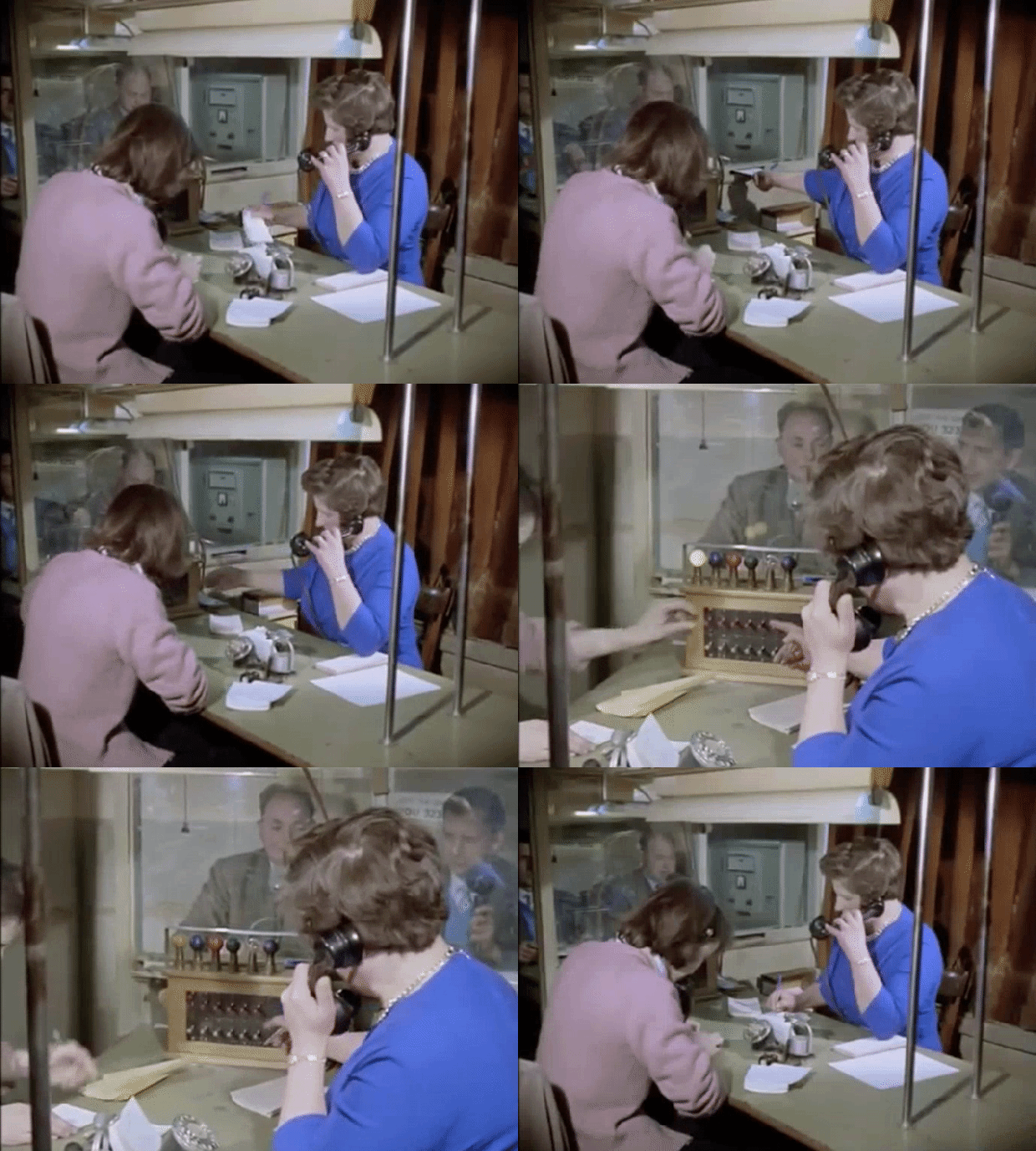
In this modern day and age with everybody glued to apps, London cabbies are often unfairly accused of being ‘dinosaurs’ (even though we had a taxi app long before a certain American multinational started splashing its billions about). But as this film shows, cabbies were embracing technology almost 60 years ago by utilising mobile radio units- quite a feat back then.
On older cabs built in the 1940s and 50s (such as the Austin FX3) luggage compartments were open to the elements meaning suitcases could get quite soggy in wet weather. In the winter, this also meant cabbies had to wrap up warm.
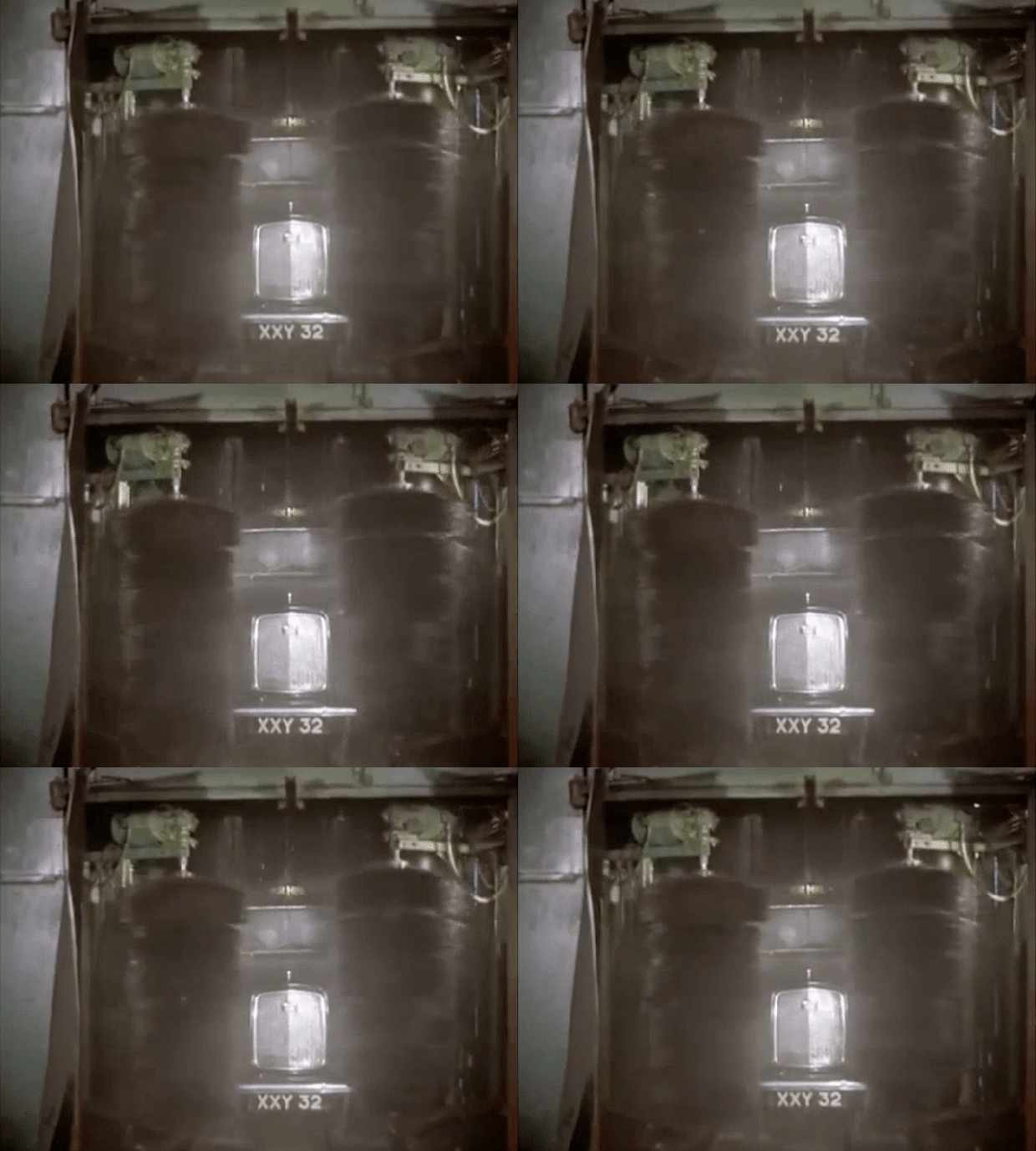
Like today, many cabbies rented their taxis from a garage in the early 60s…. and I must say it looked like the fleets ran a far slicker operation back then. A daily wash and check up for your vehicle, a welfare section, a sports club, cafeteria and a free ride home- that’s the sort of service we can only dream of nowadays.
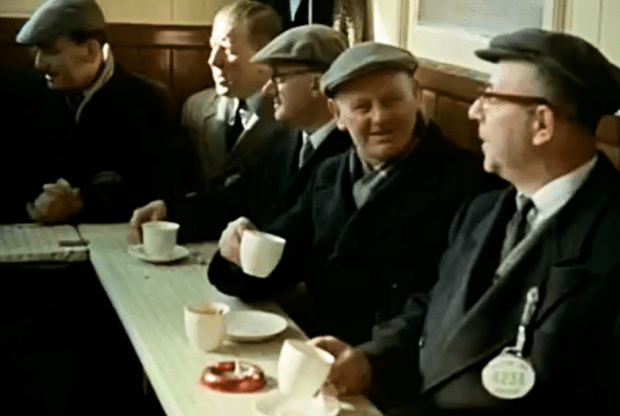
When this documentary was made, taxi driver identity badges were huge with little change in design since the Victorian era. No wonder Charles Dickens once claimed the large brass labels made cabbies look as if they’d been “catalogued in some collection of rarities.”
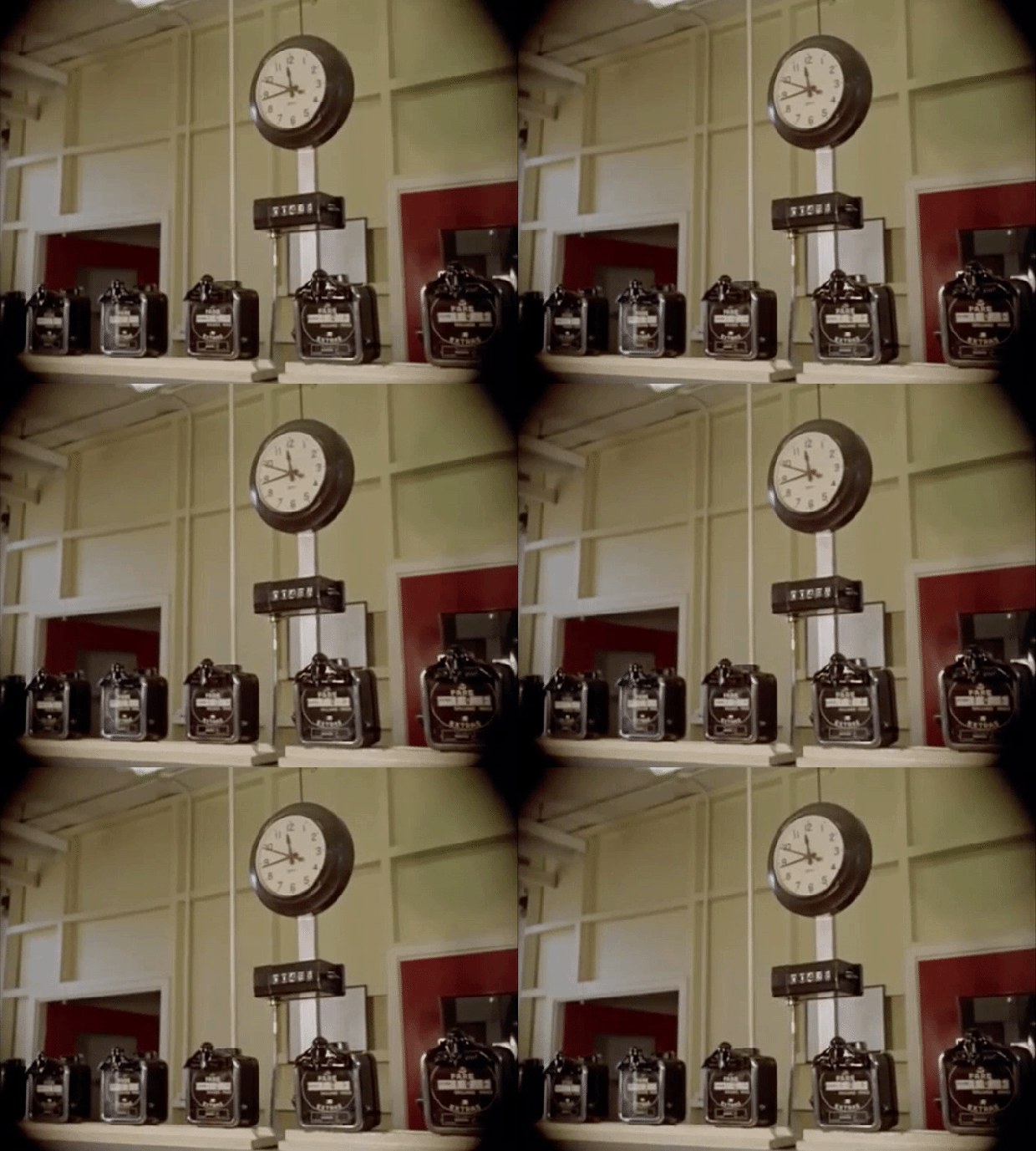
Until the 1980s, taxi meters were mechanical and, as shown in the documentary, they had to go through vigorous testing at the National Physical Laboratories before being allowed on the road.
At the end of the film, we’re told that “Tips are going up these days, the average is between a shilling and two bob.” Hmm…I wouldn’t quite say that’s the case in 2017!







 View from the Mirror