Melancholy Grace… The ‘Boy with a Dolphin’ Statue
Located on Chelsea’s Cheyne Walk opposite the approach to Albert Bridge, the Boy with a Dolphin sculpture is widely considered to be one of London’s most graceful public works of art.

The piece was created by Sir David Wynne; a self-taught artist who established his studio on Campden Hill, Holland Park in the early 1960s.

Sir David Wynne at work in the 1960s (image: BBC)
Shortly after setting up shop, Sir David was invited to sculpt the heads of all four Beatles; a task which required him to spend considerable time with the group and led to a lasting friendship.

Sir David Wynne with his Beatles busts (image via the Daily Mail).
It was in fact Sir David who introduced the Fab Four to Maharishi Mahesh Yogi; an association which led to the Beatles making a visit to the guru’s meditation school in India; a period which greatly influenced much of their later work.
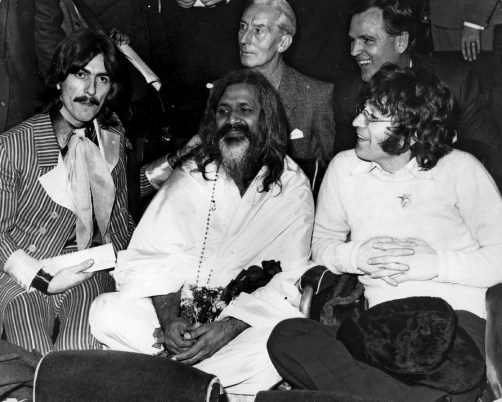
The Beatles with Maharishi Mahesh Yogi in 1967.
Other noted works by Sir David Wynne include a bust of a young Prince Charles, the Queen Mother Gates (which provide an entry point onto South Carriage Drive, Hyde Park) and a statue of ‘Guy’ the Gorilla; one of London Zoo’s most celebrated inmates.
Today, Wynne’s statue of Guy can be spotted in Crystal Palace Park.

Guy the Gorilla, Crystal Palace (image: Secret London)
Having read Zoology at Cambridge, it comes as no surprise that sculpting creatures is Sir David Wynne’s true passion, especially when they are shown to be interacting with humans.

His famed Boy With a Dolphin creation (which is frustratingly situated in a very un-photogenic location), was first unveiled in October 1975 as a follow on from an earlier sculpture; the equally balletic Girl with a Dolphin which can be found outside the Guoman Tower Hotel near St Katherine’s Dock.
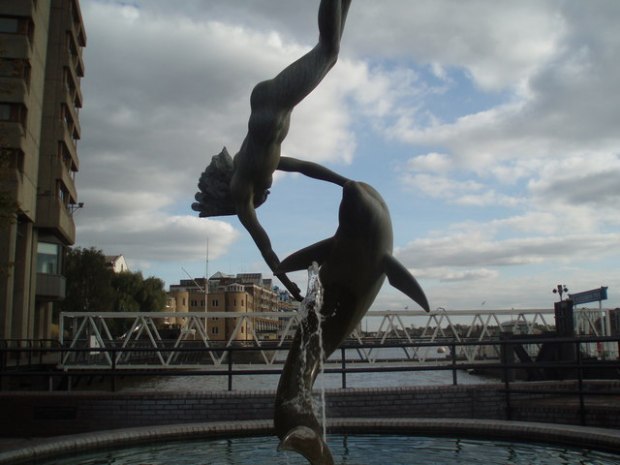
Girl With a Dolphin, sculpted by Sir David Wynne in 1973. (Image via Geograph; copyright Paul Gillett).
Of his Boy With a Dolphin statue, Sir David says that “the boy is being shown that if you trust the world, the thrills and great happiness are yours… if one meets a dolphin in the sea, he is the genial host, you the honoured guest.”
The pair’s delicate, gravity defying appearance is a great technical achievement, accomplished with the use of a double cantilever.

There are actually three casts of this statue… the other two can be found in America; one on Chestnut Place Plaza, Worcester, Massachusetts and the other outside the Mayo Clinic in Rochester Minnesota.

Boy With a Dolphin, Rochester, Minnesota (image: Gerrard Corporation).
The boy featured in the artwork was modelled upon Sir David’s son; Roland David Amadeus Wynne (Roly for short) who was 11 years old at the time and later went on to play bass in a rock band known as Ozric Tentacles.

Tragically, in 1999 at the age of 35, Roly committed suicide.
Today, the beautiful, sweeping statue depicting him in more innocent times has been dedicated to Roly as a memorial.

An Atrocity at the Adelphi
Located on the Strand and originally dating back to 1806, the Adelphi Theatre (currently hosting a run of ‘The Bodyguard’) harbours a rather sinister story…
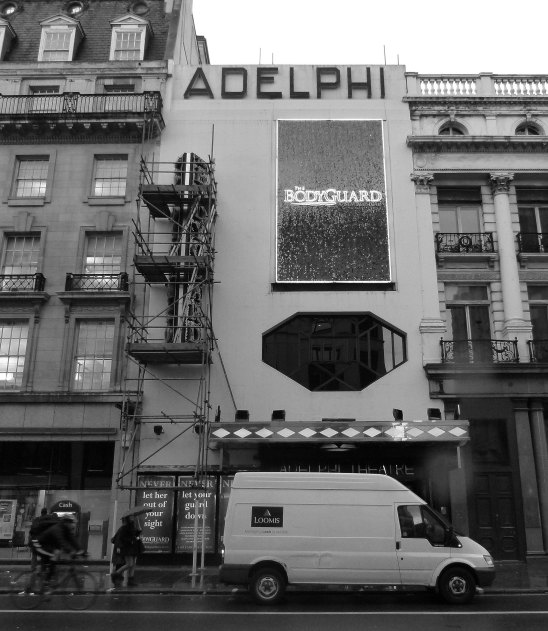
The Adelphi Theatre
At the centre of this drama is William Terriss; a Londoner born in 1847 who was educated at a school attached to Tottenham’s Bruce Castle.
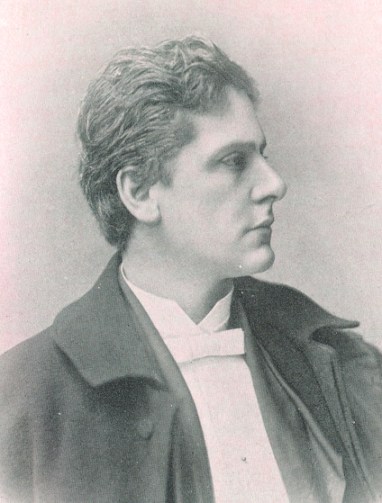
William Terriss pictured in 1896.
William’s early shots at establishing a career were adventurous to say the least, including stints in the Falklands where he farmed sheep, the States where he mined silver and Bengal where he cultivated tea.
After this incredibly varied graft, William eventually returned to London in 1886 where, being a good-looking chap with a dashing manner and harmonic voice, he decided to give the acting game a go.
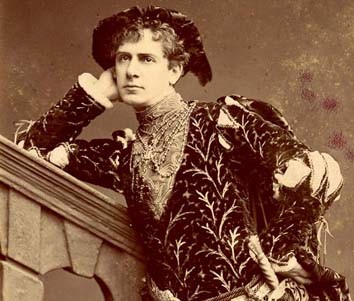
William Terriss in acting mode (image: Wikipedia)
When it came to treading the boards, the former Tottenham lad proved an instant success, quickly achieving a level of fame which was on a par with today’s celebrity culture.
Along with his immense popularity, Terriss was also noted for his tireless generosity and capacity to help others.
An extreme example of this was demonstrated when he turned up for work at the Adelphi one evening dripping wet. William made no mention of why he was in such a soaked state and it was only later that his puzzled colleagues discovered the reason… the actor had plunged into the Thames to rescue a drowning child.
*
One person in particular that William bent over backwards to help was Richard Archer Prince; a young actor struggling to make the big time.
Kind hearted as ever, William Terriss took the wannabe thespian under his wing, lending him cash when required and securing bit-parts in his shows.
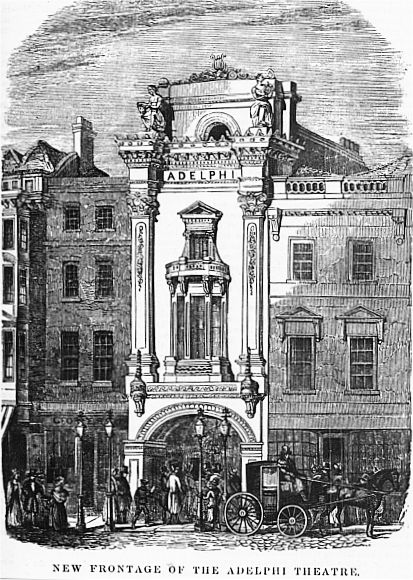
The Adelphi in days of old…
Prince however was an erratic character whom many others steered well clear of. A heavy drinker, his violent unpredictability earned him a dubious nickname…‘Mad Archer.’
Despite the support from his mentor, Prince gradually became extremely envious and fiercely resentful of Terriss. Fantasising that he was the better artist, Mad Archer despised the fact that his benefactor always received top billing.
These dangerous delusions came to a tragic head in the December of 1897…
On the evening of the 16th, a horse-drawn Hansom cab rattled along the cobbles of Maiden Lane, coming to a halt outside the Adelphi’s rear stage door.

Covent Garden’s Maiden Lane…
The punter on board was William Terriss, who stepped out, paid the cabbie and dug the special key out of his cloak which would provide access to the theatre’s private entrance.

The Adelphi stage door on Maiden Lane.
Before he had a chance to unlock the door however, a figure pounced out of the gas-lit shadows… it was Mad Archer himself who, without warning, launched at William, stabbing the Victorian celeb several times.
Following the scuffle, a crowd quickly gathered and the famous performer was rushed inside the theatre.
Doctors were sent for from nearby Charing Cross Hospital (now a police station on Agar Street), but it was to no avail- William Terriss was dead within minutes.

The former Charing Cross Hospital (image: Google Streetview0
Restrained by the growing mob, the murderer made no attempt to escape and sat quietly awaiting his arrest. He was marched off to a cell on Bow Street, apparently telling the cops that Terriss “knew what to expect from me.”
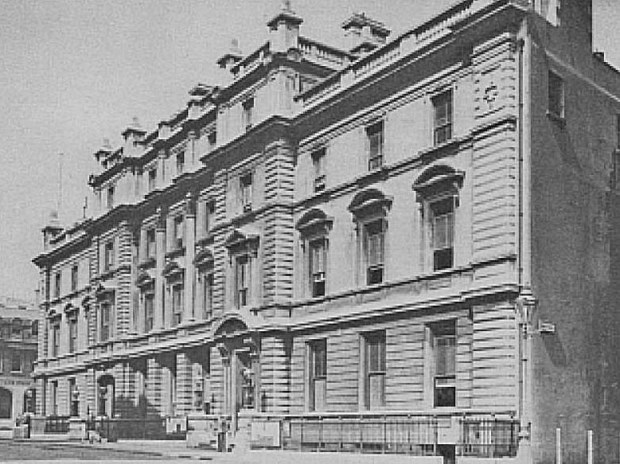
Bow Street court and police station (image: Old Bailey online)
The murder shook Victorian society and, at the trial, Prince made the baffling claim that William had prevented him from advancing his career.
The jury were quick to find the culprit guilty- although he was spared the noose thanks to the conclusion that he was not of sound mind.
The disturbed bit-player spent the remainder of his days incarcerated in the Broadmoor asylum for the criminally insane, where it is said he liked to write and produce plays in which he always placed himself in the leading role…
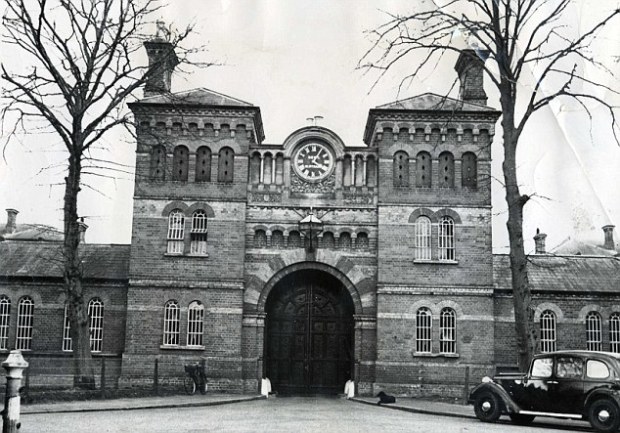
Broadmoor Psychiatric Prison, Berkshire…
*
William Terriss was laid to rest at Brompton Cemetery; the service attracting over 50,000 mourning admirers.
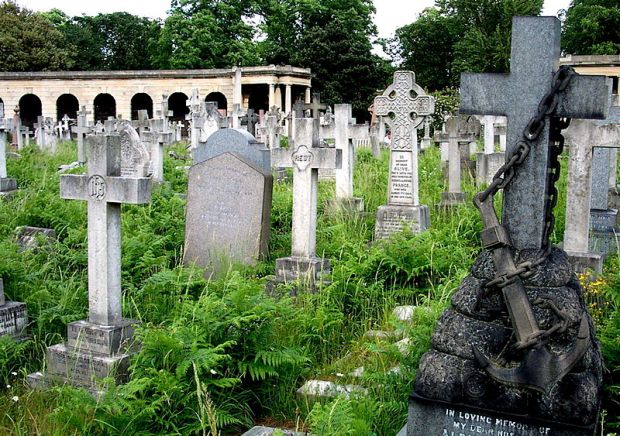
Brompton Cemetery (image: Wikipedia).
Legend has it that his ghost now haunts Covent Garden tube station (in William’s day, his favourite bakery stood on the Long Acre site, the station being built 10 years after the murder).

Covent Garden Tube station, Long Acre.
The first sighting of the phantom was reported in 1955, when a ticket collector allegedly spotted the shimmering actor, donned in an opera cloak with cane In hand, pass through a closed door.
Over the next few years, the ghost was spied on numerous occasions in the staff cafeteria…and, although the last recorded sighting was in 1972, tube workers still sometimes report bizarre, unexplained noises in the dead of night….
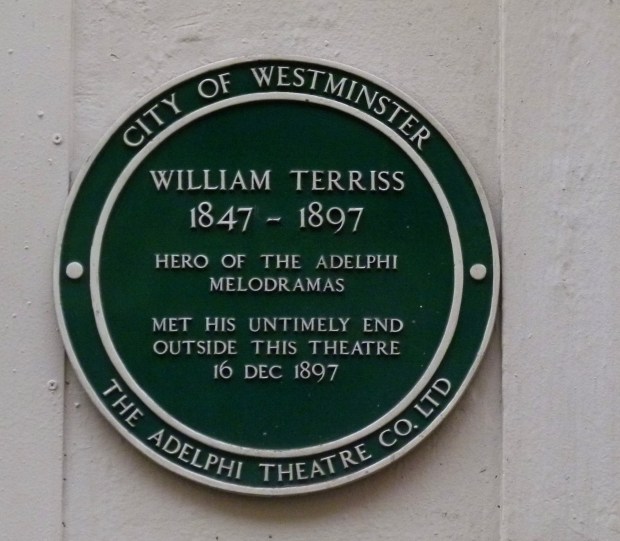
Plaque on Maiden Lane commemorating the murder of William Terriss.
Elegance with a Dark Side: A History of St James’s Park
London is deservedly famous for its ‘lungs’; the many parks and open spaces which can be found dotted liberally around the capital.
So prominent is this abundance of foliage that many first time visitors I meet in my taxi often comment on just how much greenery there is on show in the city.
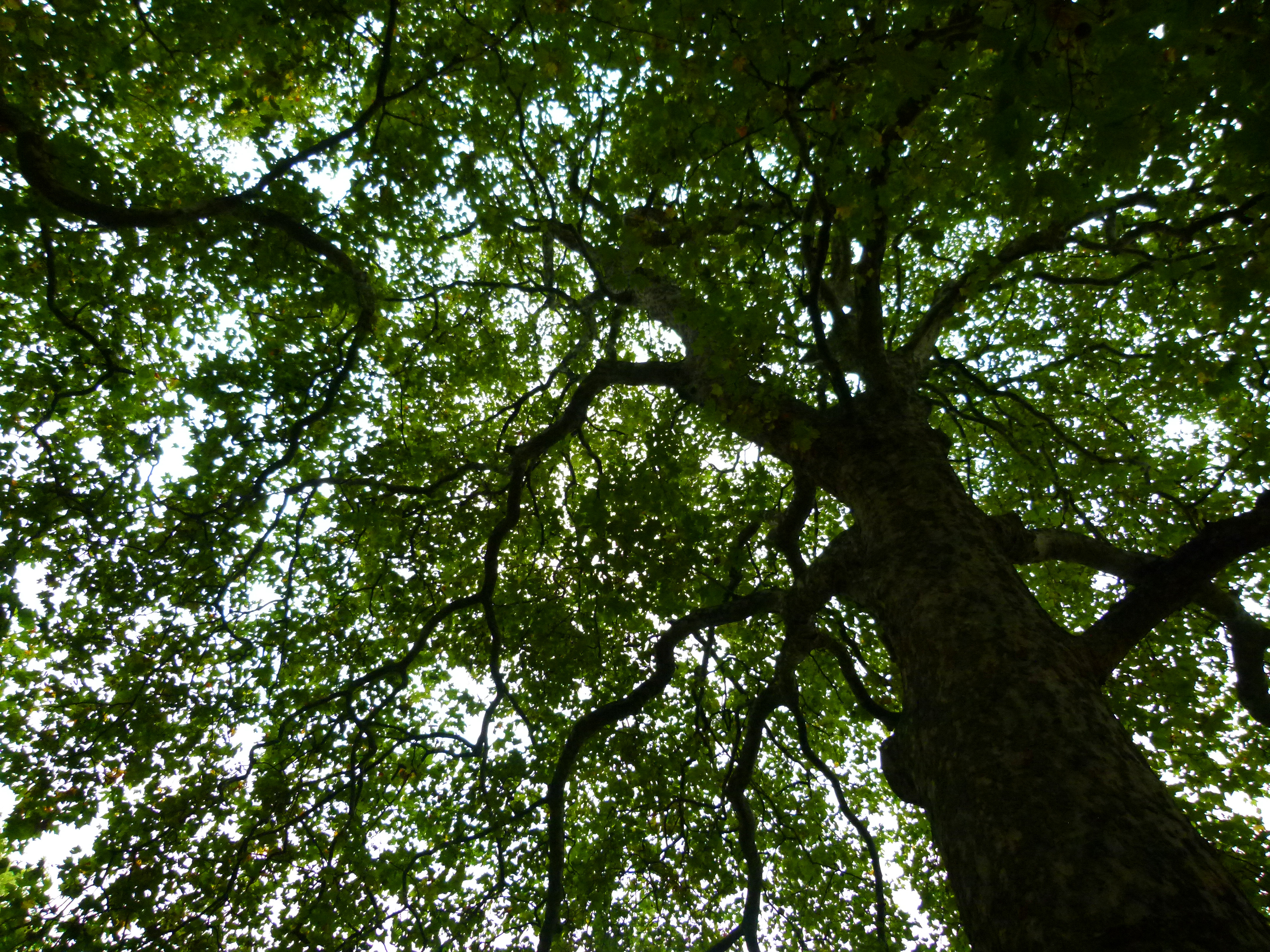
One of the loveliest and most central of these lush areas is St James’s Park, a beautiful 90 acre site, alive with trees and wildlife, which lies sandwiched between Whitehall and Buckingham Palace.
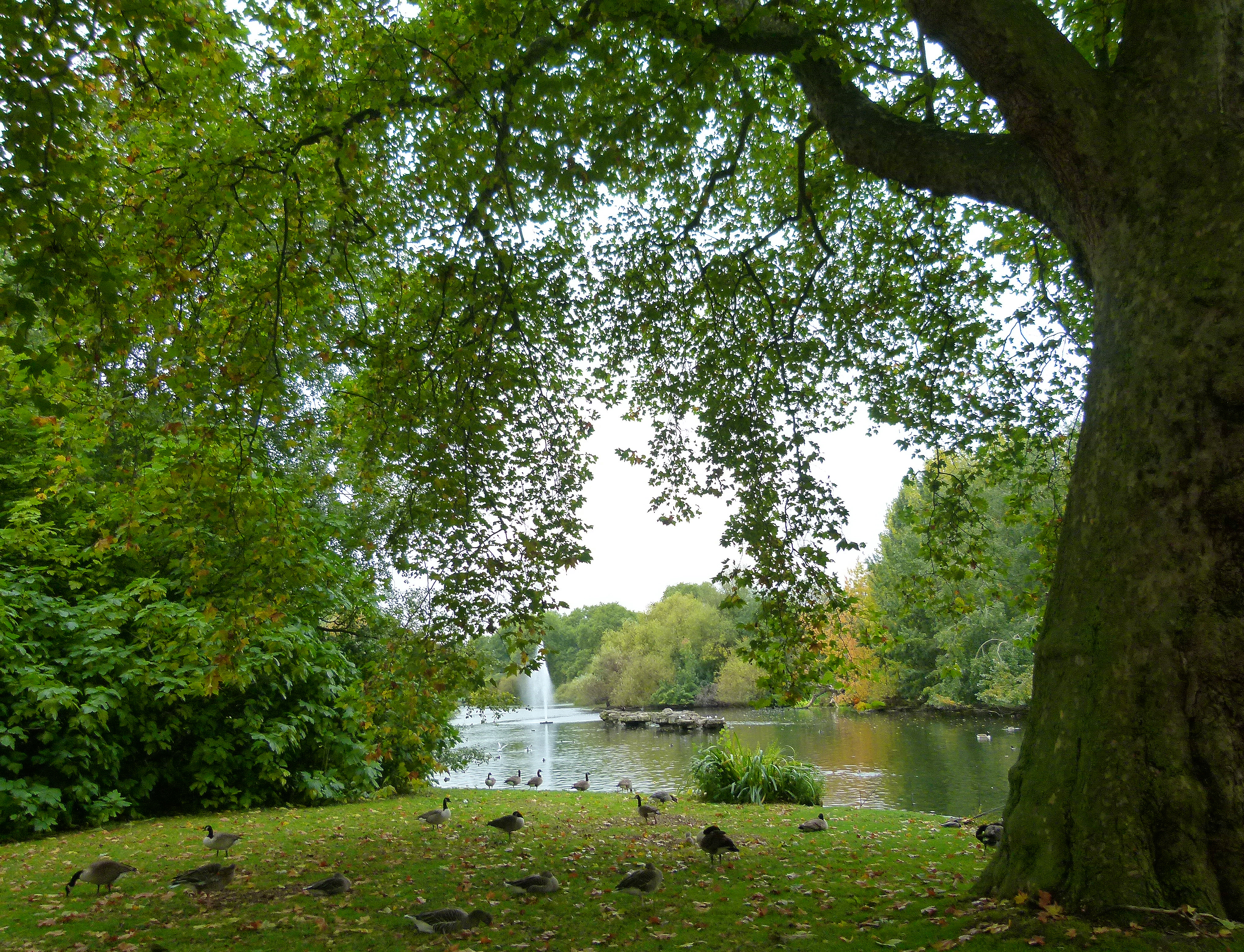
View from the eastern side of St James’s Park which runs adjacent to Horse Guard’s Road
Grubby origins
The park gained its name from St James’s hospital; an institution which once stood on the northern edge of the present day site.
First recorded in 1267, St James’s hospital came to specialise in caring for female lepers who were given the task of raising hogs upon what was then a bleak, marshy field far from the edge of town.
Despite these humble beginnings, the hospital eventually evolved into a far grander residence- St James’s Palace.
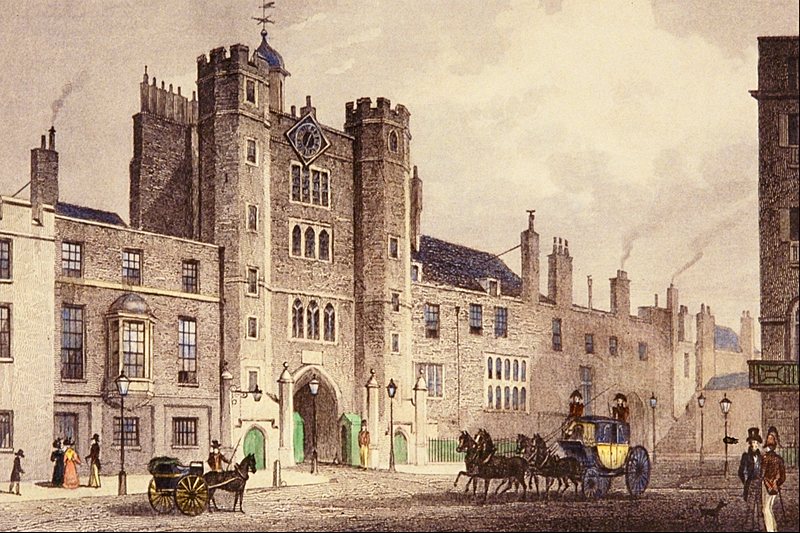
St James’s Palace- developed from a former leper hospital and the institution which provided the neighboring park with its name. (Image: Wikipedia)
The Royals take over
It was during the reign of Henry VIII (king from 1509-1547) that the barren terrain began to evolve into a park.
Never shy of land-grabbing, the bombastic monarch took over the boggy field belonging to St James’s hospital and had it drained.
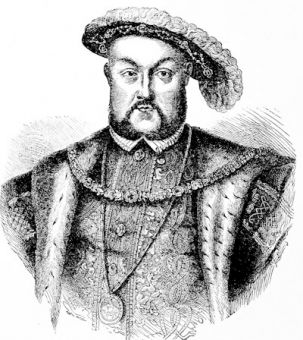
Henry VIII; the first monarch to develop St James’s park.
Once this engineering project was complete, the now solid ground was turned into an early kind of leisure complex, serving the neighbouring (and now long vanished) Whitehall Palace. The main activities played out on the newly created area were bowls and jousting.
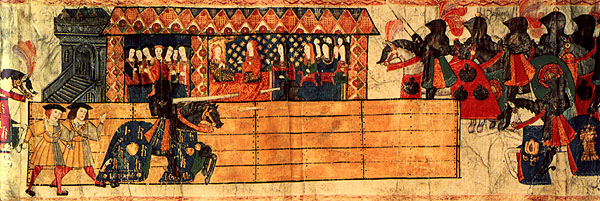
Henry VIII depicted at a jousting bout (image: Tudor Tattler).
As well as using the park to show off his sporting prowess, Henry VIII also utilized the area as a nursery for breeding young deer… which, once mature, would be carted off to the hunting grounds of nearby Hyde Park where the unfortunate creatures would be hunted for sport. This practice was later continued by Henry VIII’s daughter, Elizabeth I.
*
King James I (who ruled between 1603 and 1625) also dabbled in the park with which he shared a name.
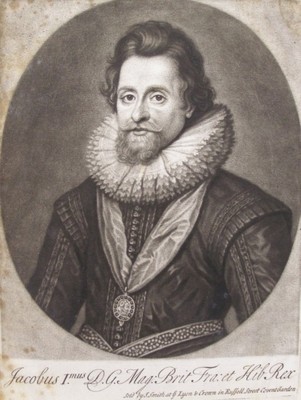
King James I, who added an aviary and menagerie to St James’s Park (image: Glasgow University).
The Edinburgh-born monarch had formal gardens laid out and also introduced a menagerie (which, amongst other beasts, boasted two crocodiles) and an aviary- which is where Birdcage Walk, the road which runs along the park’s southern border, takes its name from.
There can be little doubt that James I’s successor, Charles I also enjoyed the delights of St James’s.
Ultimately however, the royal park played a sombre role in Charles’ politically fraught life… for it was through the park, on January 30th 1649, that King Charles I took his final stroll. His destination: the Banqueting House at Whitehall where, having been found guilty of high treason following his defeat in the English Civil War, he had an appointment with the executioner’s axe…
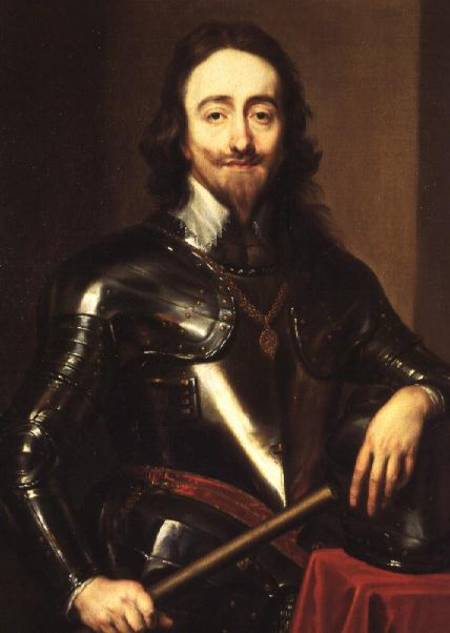
King Charles I, as painted by Van Dyck. (© Philip Mould, Historical Portraits Ltd, London, UK)
King Charles I took his final walk swathed in an extra layer of clothing- being a cold winter morning, he didn’t want to shiver for fear that the large crowd would mistake such shakes as a symptom of cowardice.
As he made his way through St James’s Park, the brave monarch was also accompanied by his faithful dog, Rogue who refused to leave his master’s side.
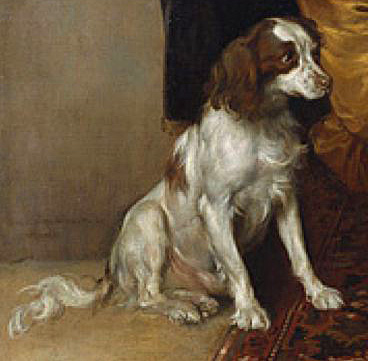
One of King Charles’ beloved dogs, taken from a portrait of the monarch’s children by Van Dyck. It is highly likely that this faithful, little spaniel regarded St James’s Park as his own terrain.
*
Following the death of Charles I, Oliver Cromwell took charge.
A puritan in the very strictest sense of the word, Cromwell outlawed pretty much anything that embraced pleasure and fun- even Christmas was banned.
Consequently, St James’s Park fell into severe decline during Cromwell’s rule and, being austere times, many trees in the park were chopped down by people desperate for fuel.
It comes as no surprise therefore that when Cromwell died, the public, craving the good old days when they were allowed to indulge in booze and debauchery, seized the opportunity to bring back the monarchy.
Charles II, who had been in exile following his father’s brutal execution, was promptly invited a back; an offer which he gladly accepted.
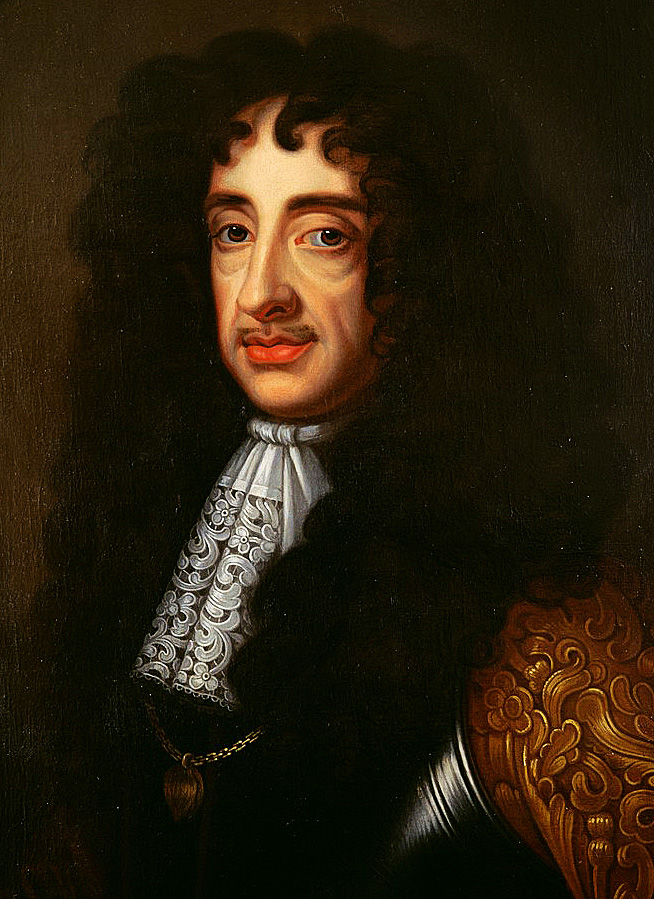
Back in business… King Charles II
A restoration for both park and nation
Charles II was a renowned party animal; a trait no doubt boosted by the jubilation following the restoration of the monarchy.
His ability to enjoy life to the full is humorously illustrated in the following, fun clip from the BBC’s Horrible Histories series:
Having been born in St James’s Palace, Charles II no doubt held a soft-spot for the neighbouring park and it was during his relaxed reign that St James’s Park as we know it today began to take shape.
Inspired by the grand, royal gardens he’d witnessed during his time in France, Charles II introduced orchards, a broad avenue, an area for playing Paille-Maille (a French game similar to croquet) and a long stretch of water which became known as the ‘canal’.
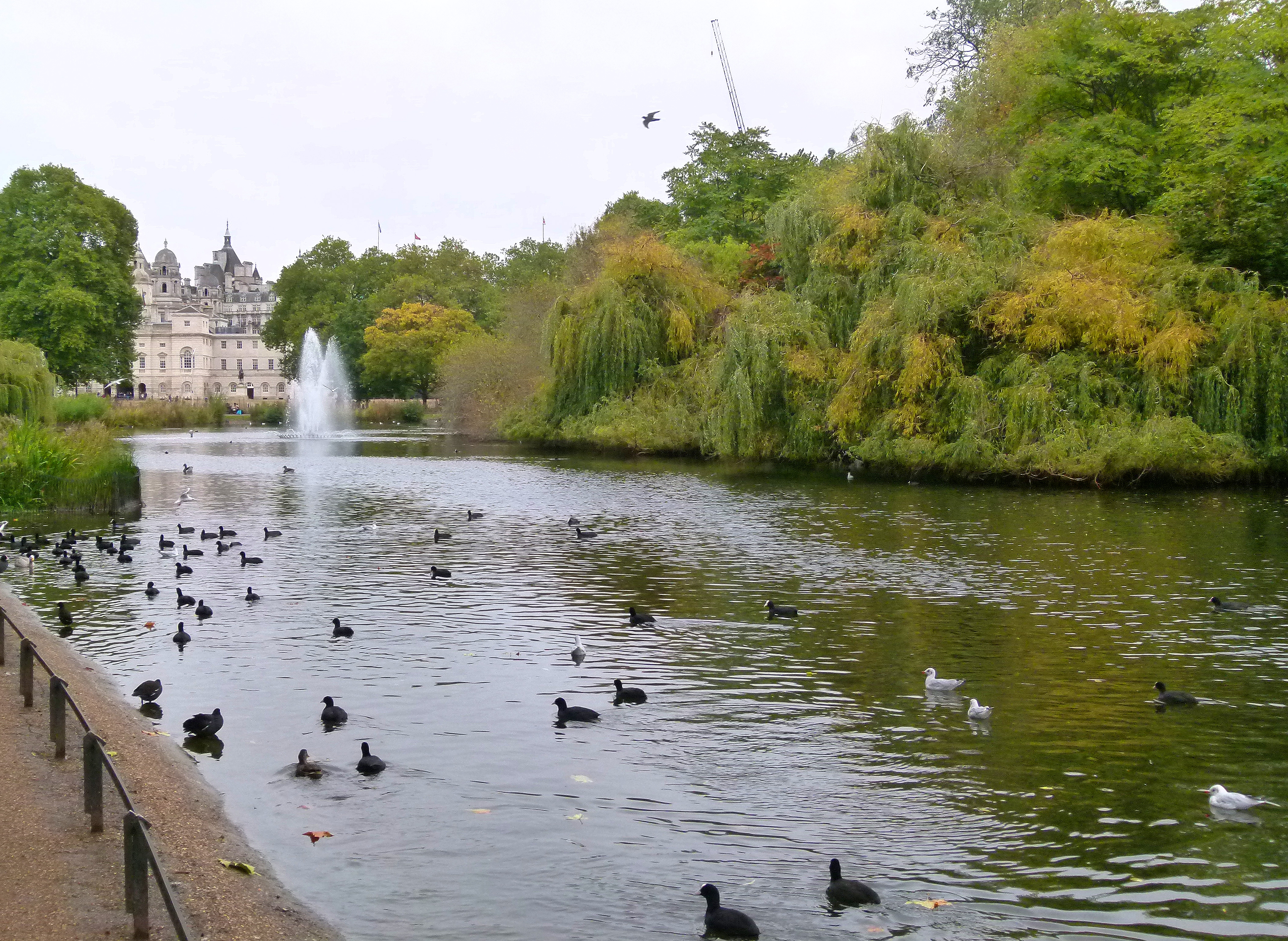
The canal, created by King Charles II.
Charles II’s improvements resulted in the park growing by 36 acres and the playboy king could often be spotted in St James’s, walking his dogs, feeding the birds, taking a dip in the water….and courting his numerous mistresses.
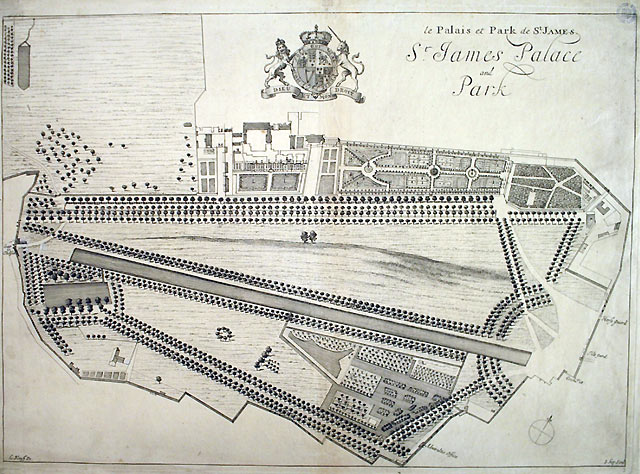
Plan for redevelopment of St James’s Park, drawn up during the reign of Charles II.
Centuries later, during WWI, Charles II’s former pool was deliberately drained in order to accommodate temporary government structures- including the passport office. The lake was not filled in again until 1922.
*
Feathered friends
What do you buy for a king who has everything?
Well, in 1664, the Russian ambassador came up with the answer when he presented Charles II with a very special gift for his flourishing park… a family of pelicans.
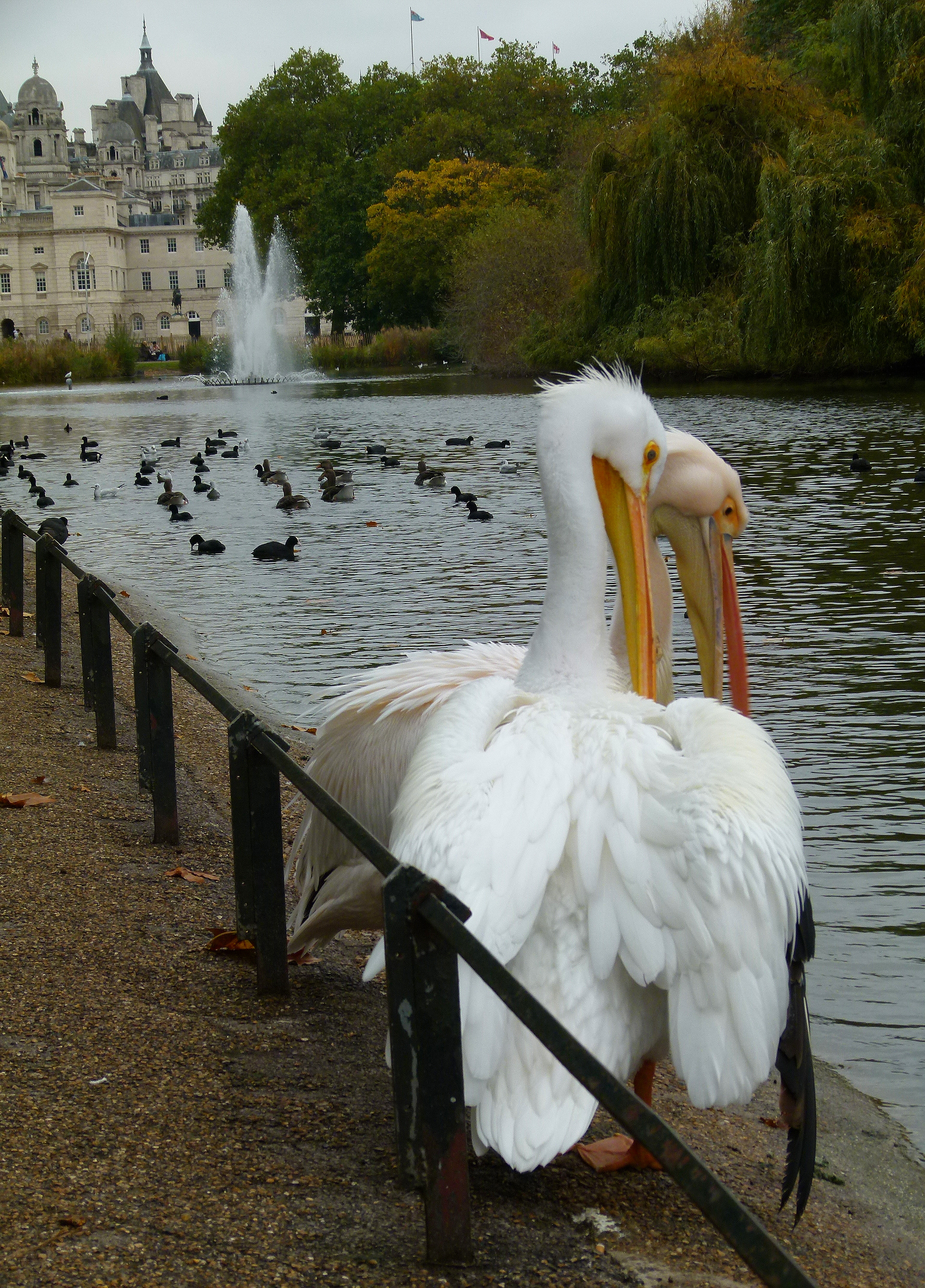
Two of the St James’s Park pelicans.
Today, some 350 years on, the descendants of these quirky regal gifts continue to breed within the park, and their huge beaks and gentle, friendly nature have made them one of St James’s most endearing sights.
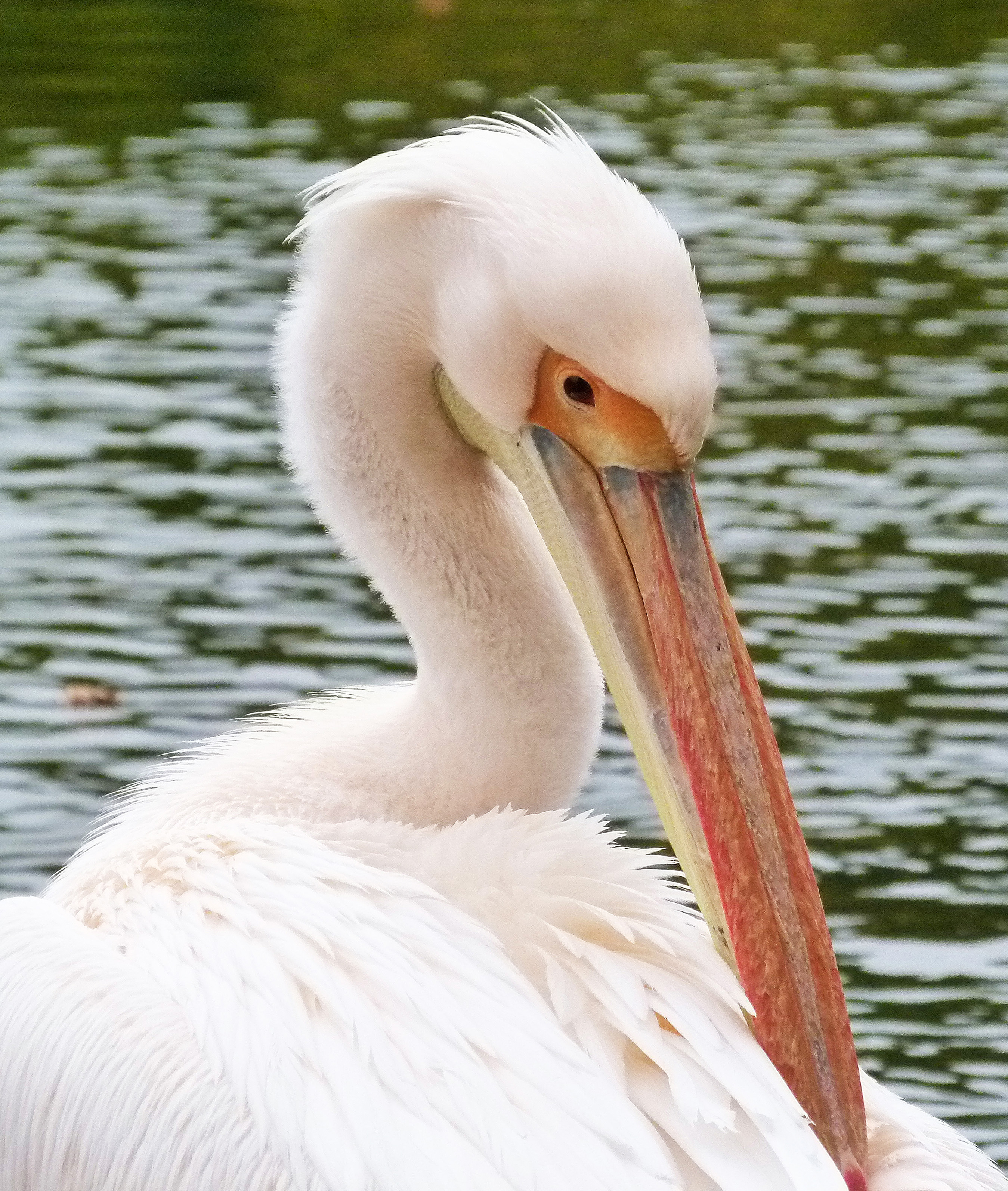
Every day, between 2.30 and 3.00pm, you can see the pelicans being fed tasty fresh fish by the park keepers.
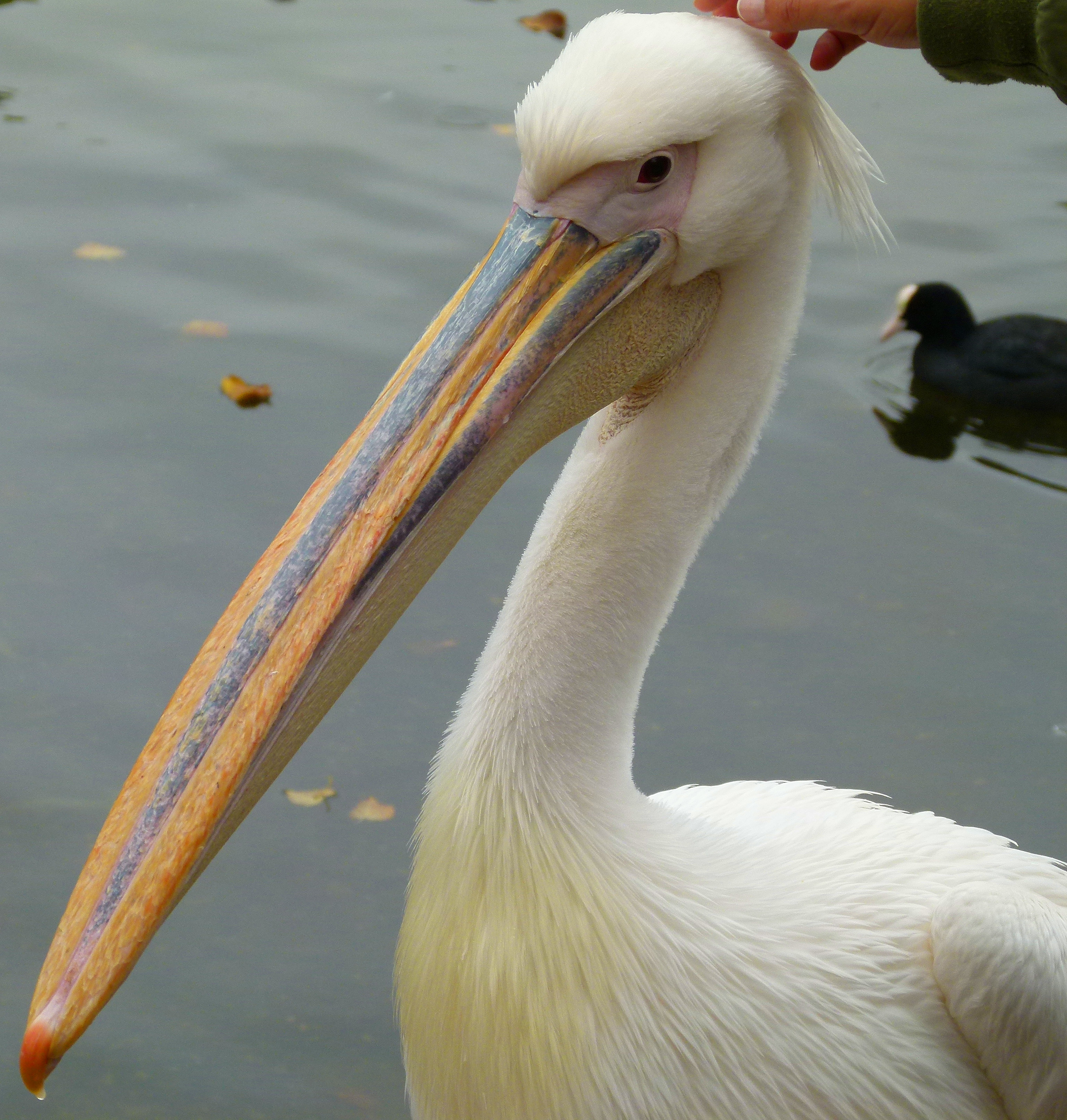
A pelican happily being stroked by a visitor during the daily feeding session.
Some time ago one of the pelicans somehow discovered that a similar feeding practice took place at London Zoo in Regent’s Park… and so would regularly fly the 2 ½ mile journey in order to pinch the grub!
This mischievous practice ended quite recently; I have a suspicion that the St James’s Park keepers had to increase the daily allowance in order to satisfy and prevent the hungry bird from straying!
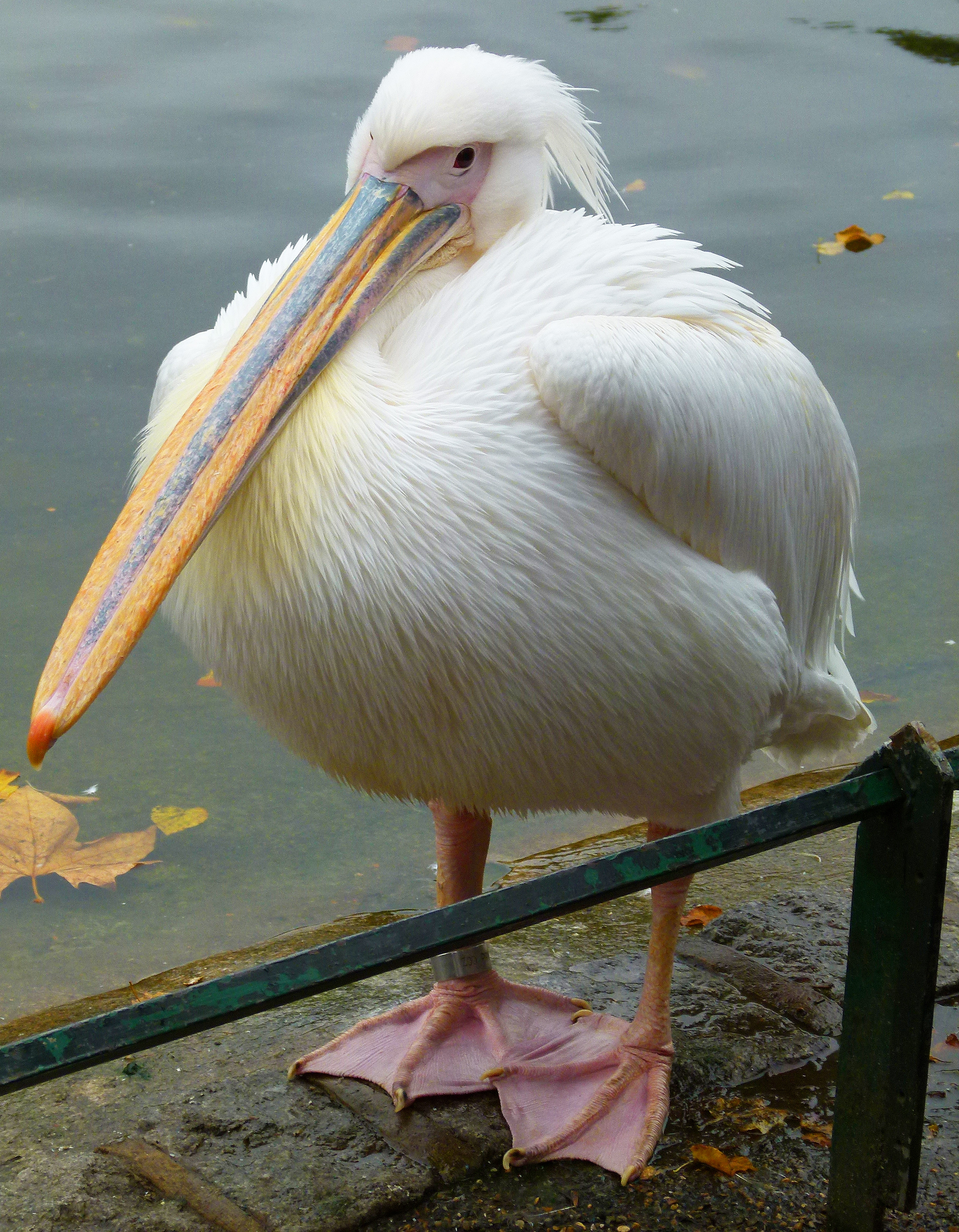
St James’s Pelican huddled against the cold!
A sordid playground
Following the death of Charles II in 1685, St James’s Park once again fell into rapid decline, with the grass and plants overgrowing and the water turning stagnant.
Amongst this neglect, the park became something of a no-go area, developing into a notorious red-light district.
St James’s also became the haunt of criminal gangs- most notably the infamous Mohocks, a terrifying bunch of well-to-do young men who delighted in unleashing all manner of terror and violent assault.
One of the Mohocks’ favourite japes was to attack passing sedan chairs, running their sword through the passenger compartment in the hope that they’d impale the unfortunate traveller inside…
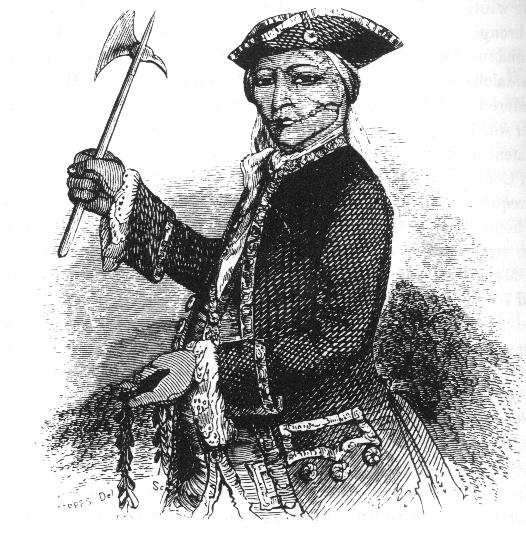
A Mohawk Indian chief… the tribe whom the London ‘Mohock’ gang attempted to emulate in terms of dress and supposed violence.
The debauched nature of St James’s Park during this era was evoked in a poem by John Wilmot, the 2nd Earl of Rochester.
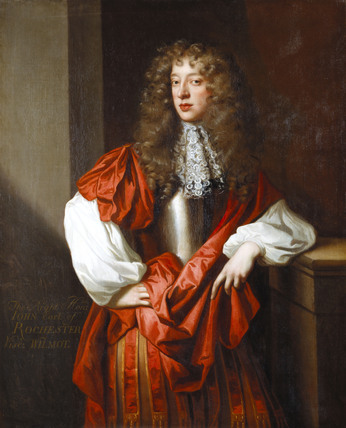
John Wilmot, 2nd Earl of Rochester (image: Wikipedia)
Entitled A Ramble in St James’s Park, the late 17th century poem makes liberal use of foul language and smutty imagery which quite frankly, would make even the bluest of today’s 21st century comedians blush.
So offensive is the poem that it was banned from publication right up until the 1960s.
The life of John Wilmot was portrayed in the 2004 film, The Libertine with the bawdy Earl played by screen legend, Johnny Depp.
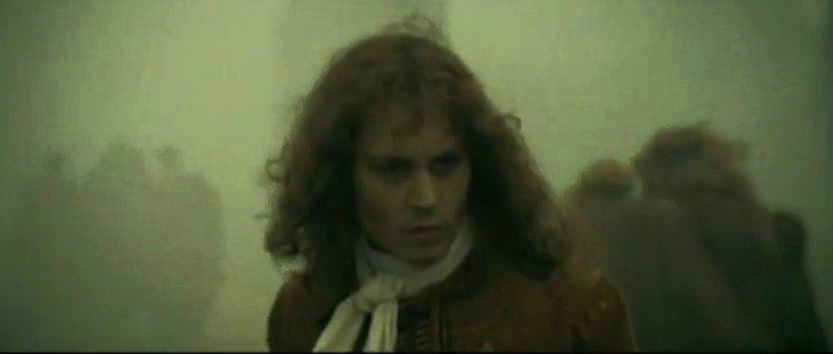
Screenshot from ‘The Libertine’… Johnny Depp, as the Earl of Rochester, wanders through St James’s Park, observing the sordid goings on…
Wishing to keep this a family site, I will refrain from quoting the poem here- it really is that nasty! If you wish to satisfy your curiosity, you’ll have to enlist Google (don’t worry; there are plenty of copies available online, but if you do choose to have a read… you have been warned, it is 24 carat filth!)
*
Nineteenth century improvements
Although prostitution remained a problem for many years, the park gradually began to improve with the appointment of Lord Pomfret as park ranger.
In the 1820s gas lighting was introduced and Charles II’s now filthy lake was remodelled.
In 1814, in order to celebrate the end of war with France, a towering Chinese pagoda was erected in the middle of the park along with an ornamental bridge.
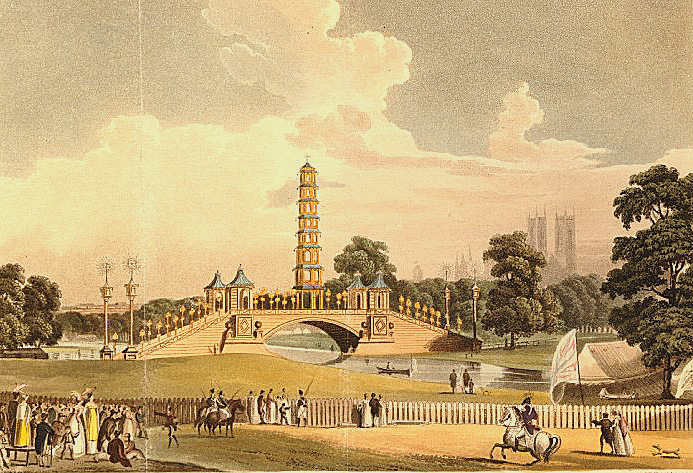
The early 19th century bridge and Pagoda in St James’s Park- note the twin towers of Westminster Abbey which can be seen in the distance towards the right hand side of the picture. (Image: British Museum)
Sadly, during the subsequent celebrations, fireworks set fire to the pagoda which burnt to the ground in an inferno even more spectacular than the intended pyrotechnics, killing a lamplighter and injuring many others.
The bridge however survived, remaining until 1825. It has since been replaced by a far plainer version.
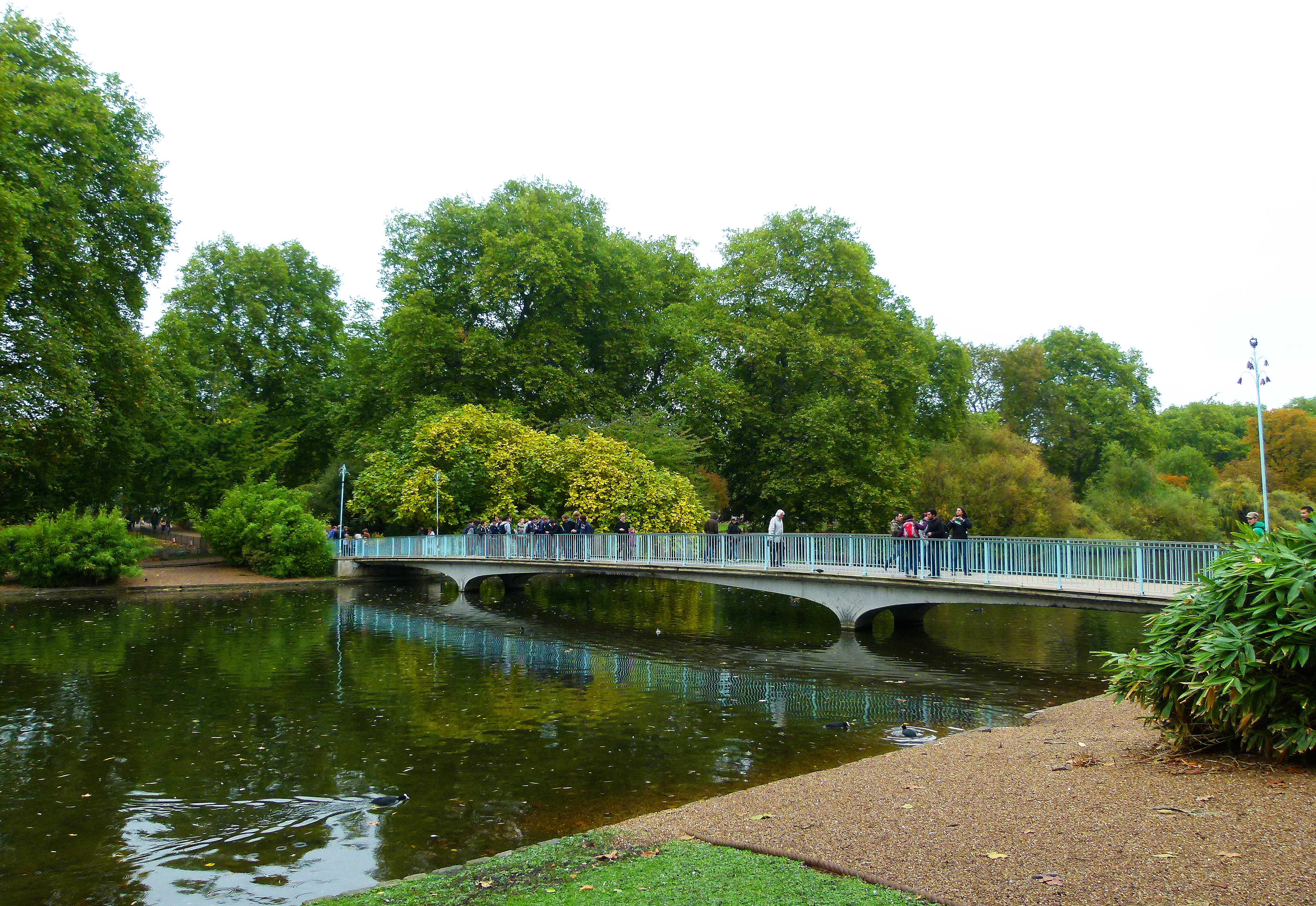
The modern bridge which spans St James’s canal.
As for pagodas… although the St James’s model has long since gone, you can still find a magnificent Japanese example a little further south in Battersea Park- please click here to read more.
*
Later in the 19th century, a little cottage was built on ‘Duck Island’ at the park’s eastern end.
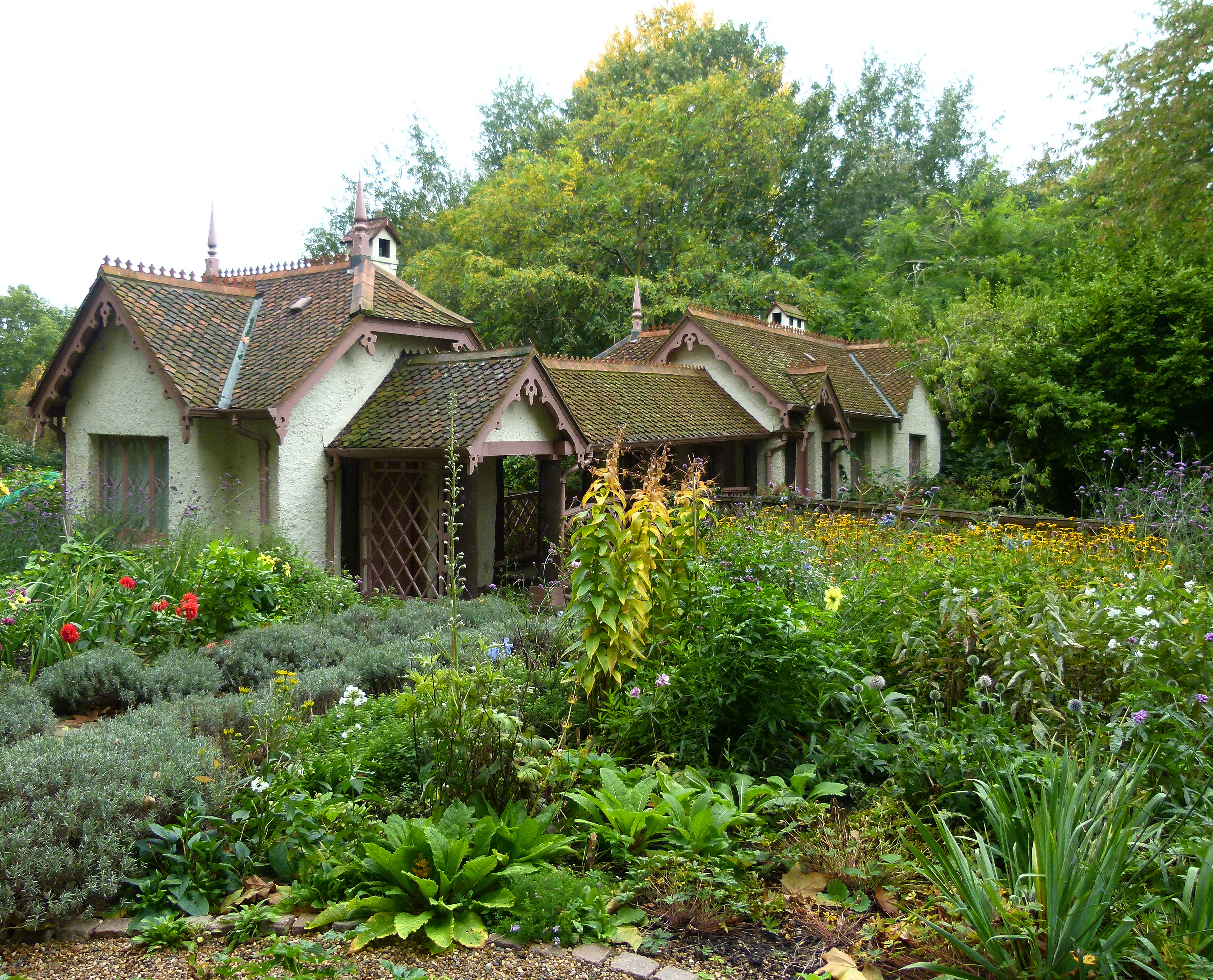
Duck Island Cottage.
Modelled on a Swiss chalet (as a deliberate contrast to the nearby government blocks), the small house was originally built as a home for the bird-keeper of St James’s park. It also included a social room for the London Ornithological Society.
Restored in 1982, Duck Island Cottage is still in use today, now acting as an office.
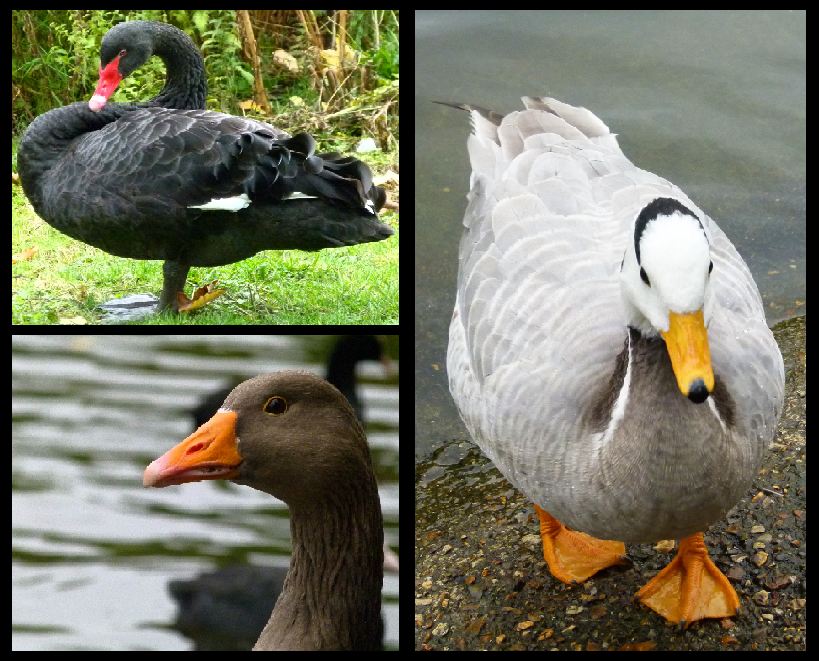
How many can you spot? St James’s Park is alive with many different bird species.
*
Buckingham bones…
Today, St James’s Park is a beautiful London destination and one which I would wholly recommend to locals and visitors alike.
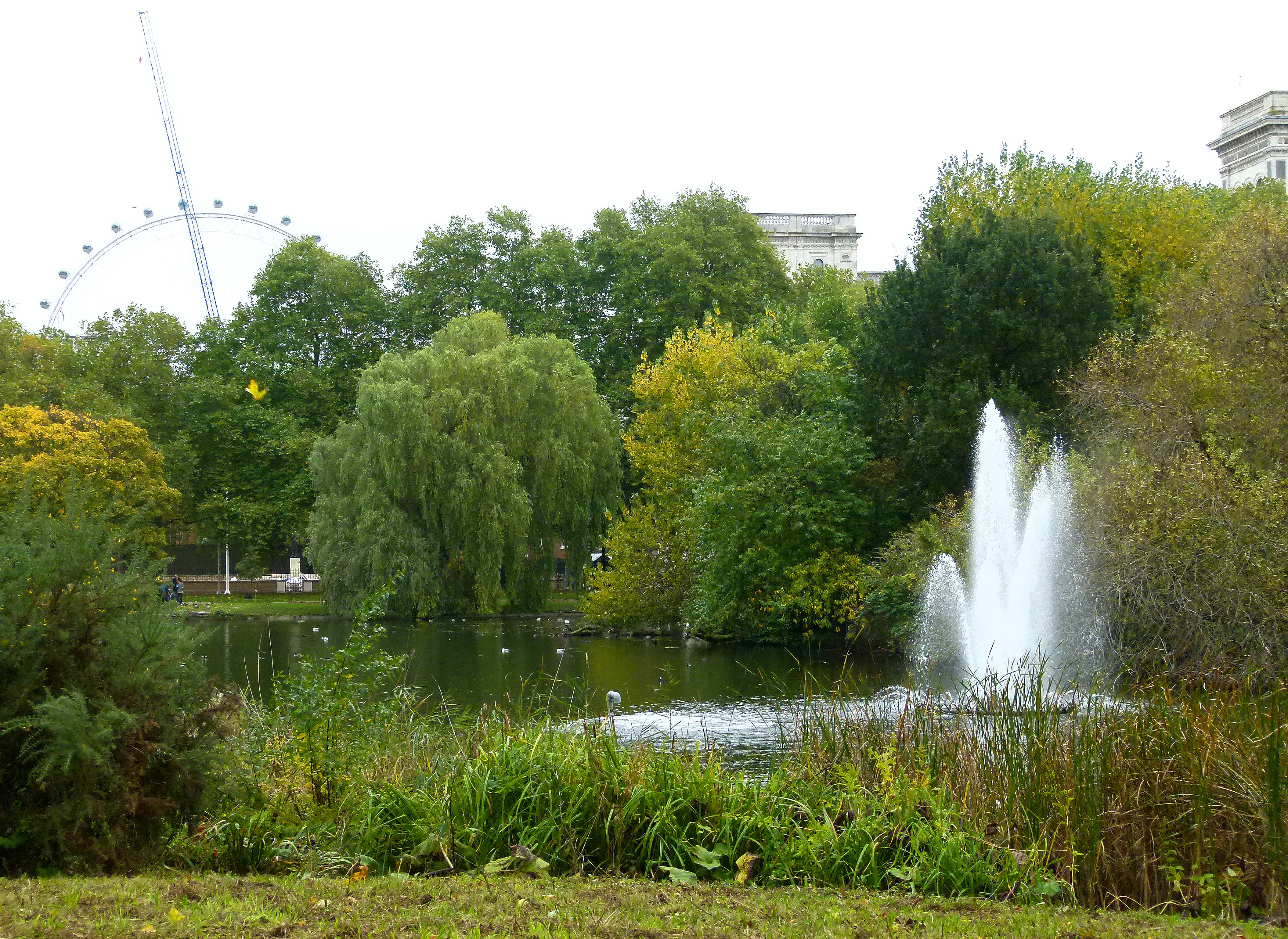
Very recently however, the park revealed a dark and rather unsettling secret…
In March 2011 a body, rotted and reduced to a skeleton, was found on a small island, located towards the western tip of St James’s Park’s long canal… the grim find being unearthed mere moments away from Buckingham Palace.
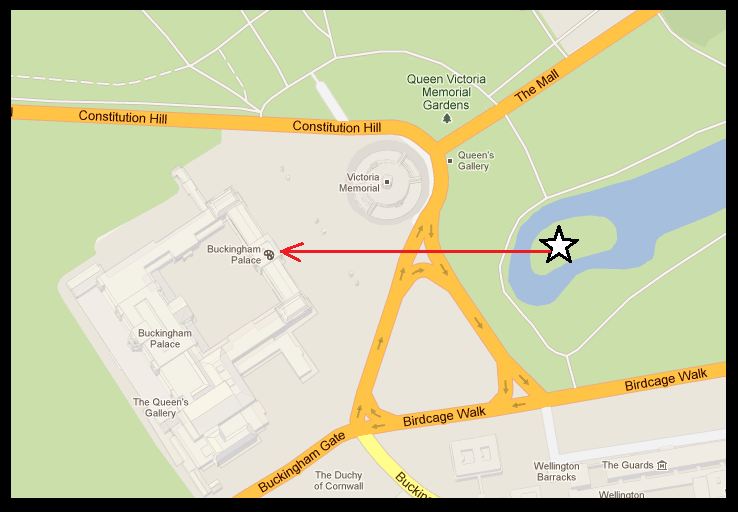
Map indicating the proximity of the island upon which the skeleton was found in relation to Buckingham Palace…
The bones were spotted by a tree surgeon, who also found the site to be littered with empty vodka bottles and a mouldy, yellow pillow upon which rested the deceased’s skull.
Thanks to a passport also being found at the site, the body, which was believed to have lain in its undiscovered position for three years, was quickly identified as that of a 69 year old American called Robert James Moore.
Upon examining his past, it turned out that Mr Moore lived a troubled life.
Suffering from mental illness, the American citizen had developed a deep obsession with Her Majesty Queen Elizabeth II, sending her some decidedly dodgy parcels during a 15 year period- including obscene photographs and oddly worded letters- some of which clocked up a staggering 600 pages.
In 2007 and in trouble with U.S police over a drink driving charge, Mr Moore travelled to London.
The American embassy in Grosvenor Square had a record of the troubled citizen taking a taxi to their premises where he sought help for paying a fine. However, after that trail went cold…until Mr Moore’s bones were found quietly resting beneath leaves on the St James’s Park island.
To access his isolated refuge, Mr Moore would have had to swim or wade.
But, once there, he would been granted a very effective vantage point from which he would have spent his final days spying on the home of the woman with whom he’d become startlingly obsessed.
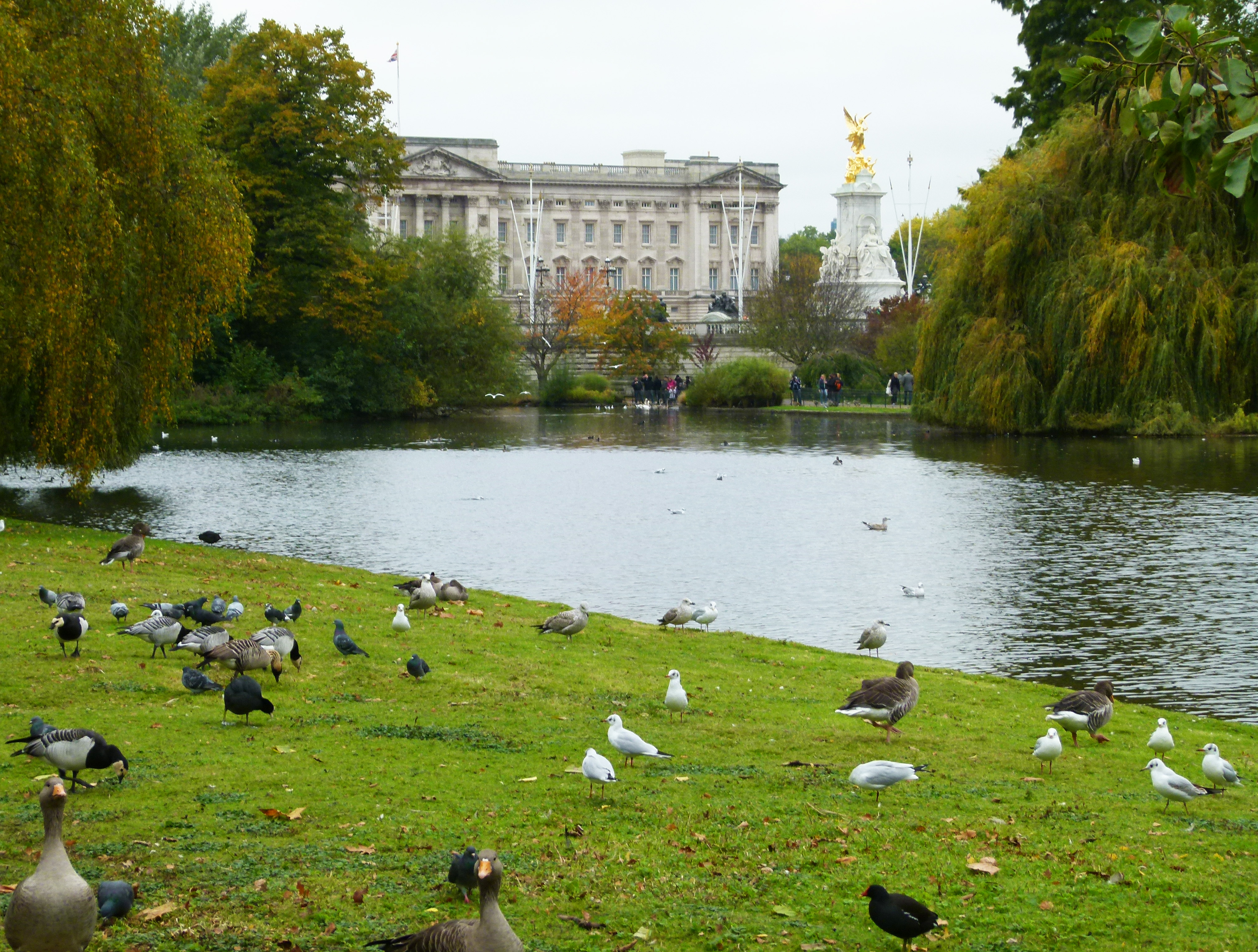
View of Buckingham Palace from the western end of St James’s Park. The island upon which Robert Moore’s body was found is to the right of the photo.
The following short animated clip from a Taiwanese news-source depicts the incident in a rather bizarre manner… I’m not quite sure how accurate the depiction of the Queen’s office really is!