When Buddy came to London
Exactly 60 years ago today, the world lost an early rock and roll icon: Buddy Holly.
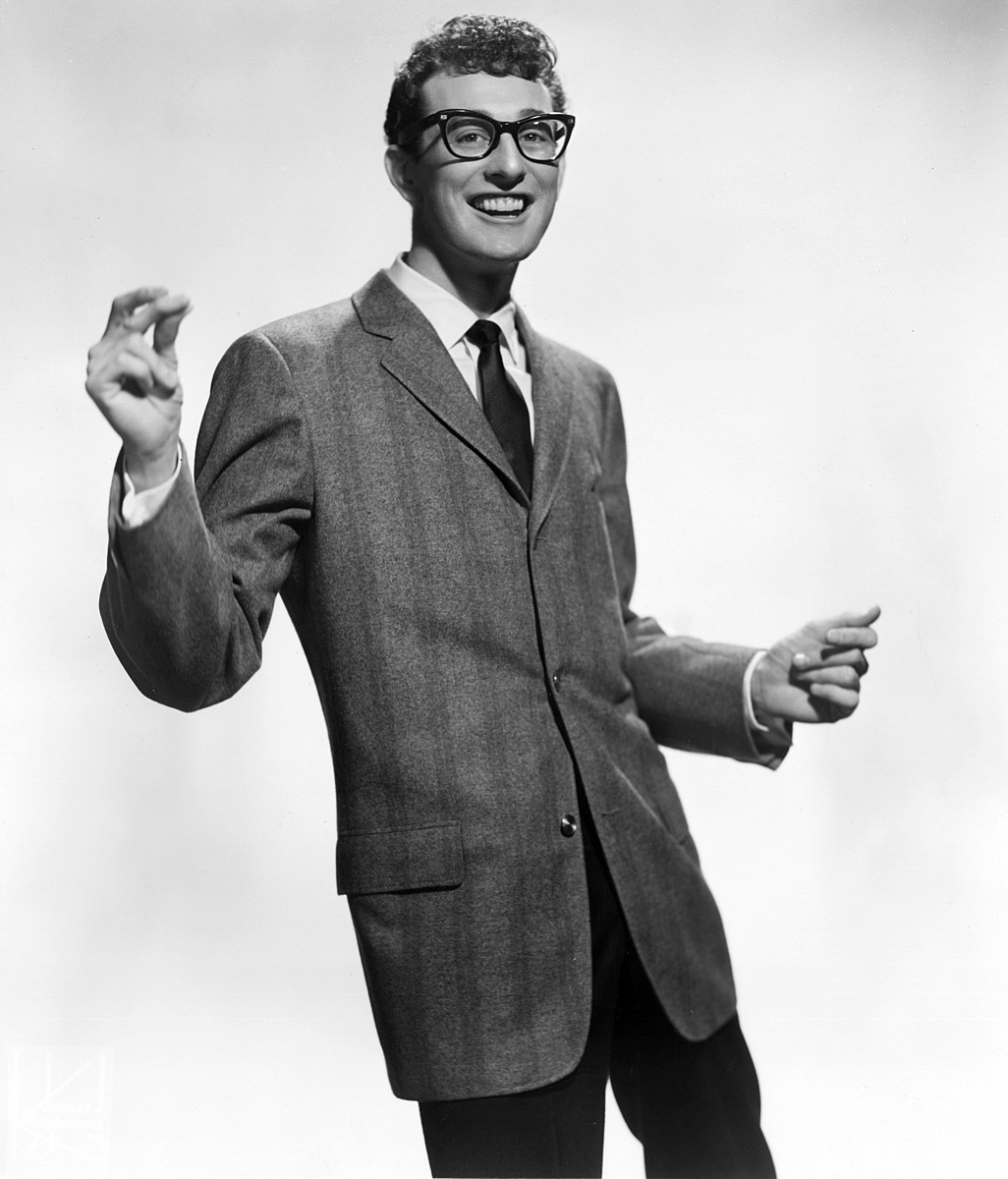
Buddy Holly (image: Wikipedia)
During his short life, Buddy- who was born in Lubbock, Texas in 1936- made a huge impact on music and left a legacy which would go on to inspire and influence countless future stars.
*
In March 1958 Buddy Holly and his band, The Crickets (who were made up of Niki Sullivan, Jerry Allison and Joe Mauldin) embarked upon a UK tour.
The very first show they played was on the 1st of that month and took place at the former Trocadero Cinema which was located on the New Kent Road, Elephant and Castle.

Poster advertising Buddy Holly at the Crickets at the Trocadero, Elephant and Castle, 1958
The image below shows Buddy backstage during rehearsals at this now long-lost venue.
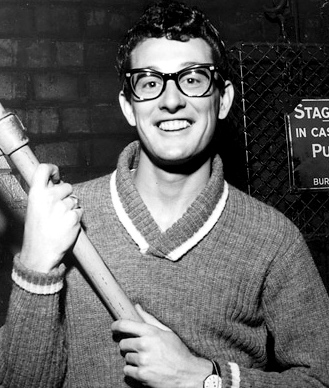
Buddy Holly at the Trocadero, 1958
Whilst in London, Buddy and The Crickets stayed at the Cumberland Hotel near Marble Arch.
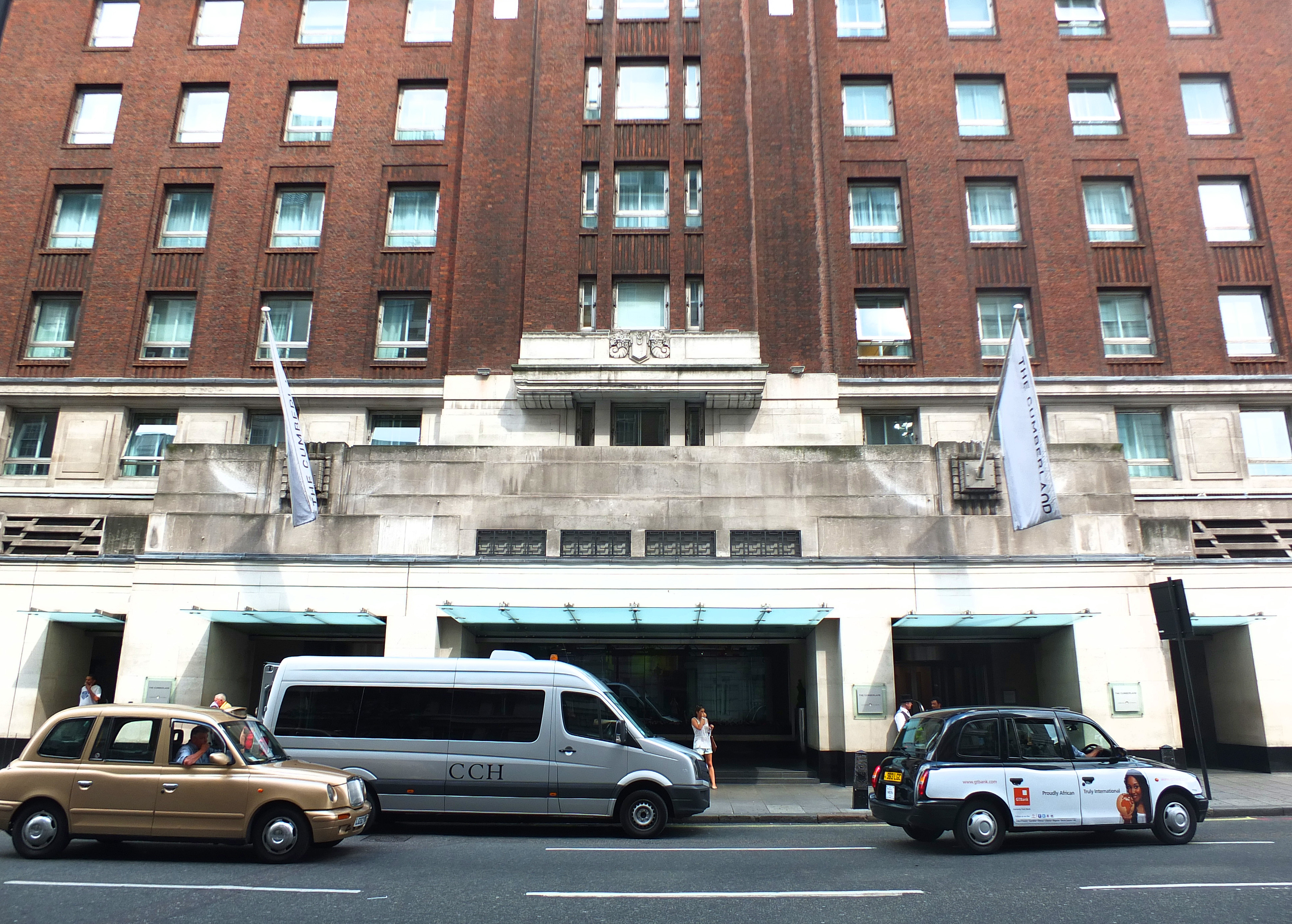
The Cumberland Hotel
Apparently Jerry and Joe were so impressed with the service at the Cumberland that they tipped the shoeshine boy £5- a very considerable sum at the time.
Just over a decade later, The Cumberland would accommodate another American music legend: Jimi Hendrix.
*
On the 2nd March 1958 Buddy Holly and The Crickets travelled north of the Thames to play at the Kilburn Gaumont State.

The former Gaumont State Cinema, Kilburn High Road (image: Wikipedia)
Situated on Kilburn High Road, the building is now home to the Ruach City Church.
On the same day, the band headed into the West End to appear in a live television broadcast of ‘Live at the London Palladium’. Their set included ‘That’ll Be The Day’, ‘Oh Boy’ and ‘Peggy Sue’.
To hear audio from that performance- along with still images- please click below:
The picture below was taken during the Palladium performance by photographer, Harry Hammond.
Thirty years later, the same image was used on posters advertising ‘The Buddy Holly Story’; a long running stage musical which opened in London in 1989.

Buddy Holly at the London Palladium, March 2nd 1958
The 1958 UK tour was compared by a then very young Des O’Conner with whom Buddy became friends.
When Buddy said he needed an acoustic guitar for the tour bus, the pair headed to Denmark Street– aka ‘Tin Pan Alley’- where, according to Des O’Conner, the young Texan tried out “about 17 guitars”.

Denmark Street as seen from Charing Cross Road
Buddy also visited the Whiskey A Go-Go club on Soho’s Wardour Street where the image below was snapped:
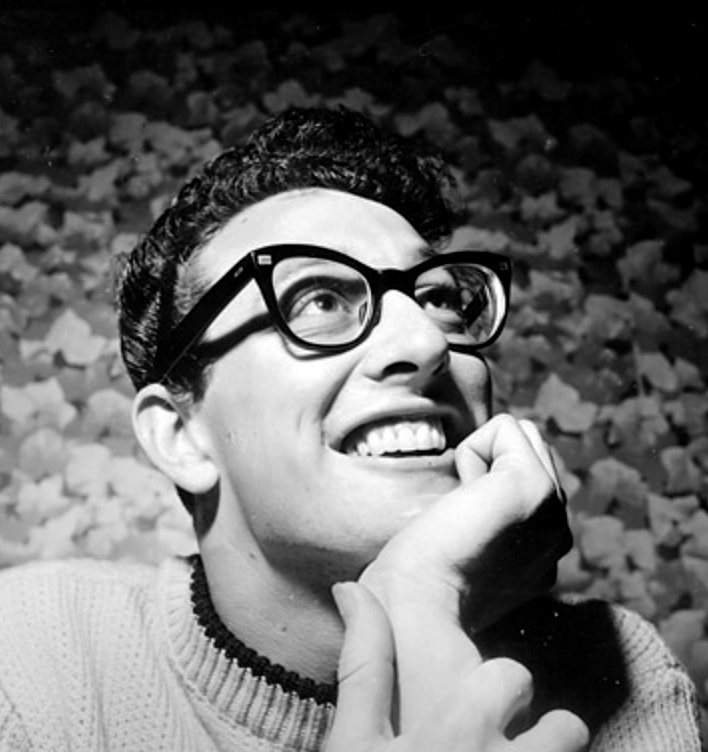
Buddy Holly at Whiskey A Go-Go, Wardour Street (image by Bill Francis, Time Magazine)
*
After their first stint in London, Buddy Holly and The Crickets headed on to many other towns and cities including Southampton, Sheffield, Newcastle, Nottingham and Birmingham.
On the 12th March they returned to the capital for three shows at the Croydon Davis, the East Ham Granada and the Woolwich Granada.

The former Woolwich Granada Cinema (image: Wikipedia)
After further concerts across the country, Buddy Holly and The Crickets returned to London on the 25th of March for their final UK concert at the Hammersmith Gaumont (now the Hammersmith Apollo).

The Hammersmith Gaumont (now the Apollo) today
*
Less than a year after his visit to Britain, Buddy Holly was back in the USA taking part in the Winter Dance Party Tour.
On the 2nd February 1959 he played at Clear Lake, Iowa.
Shortly after the gig, in the early hours of the 3rd February, Buddy crammed into a ‘Beechcraft Bonanza’ light aircraft alongside Jiles Perry Richardson Jr- aka the ‘Big Bopper’ – and the teenage sensation, Ritchie Valens.
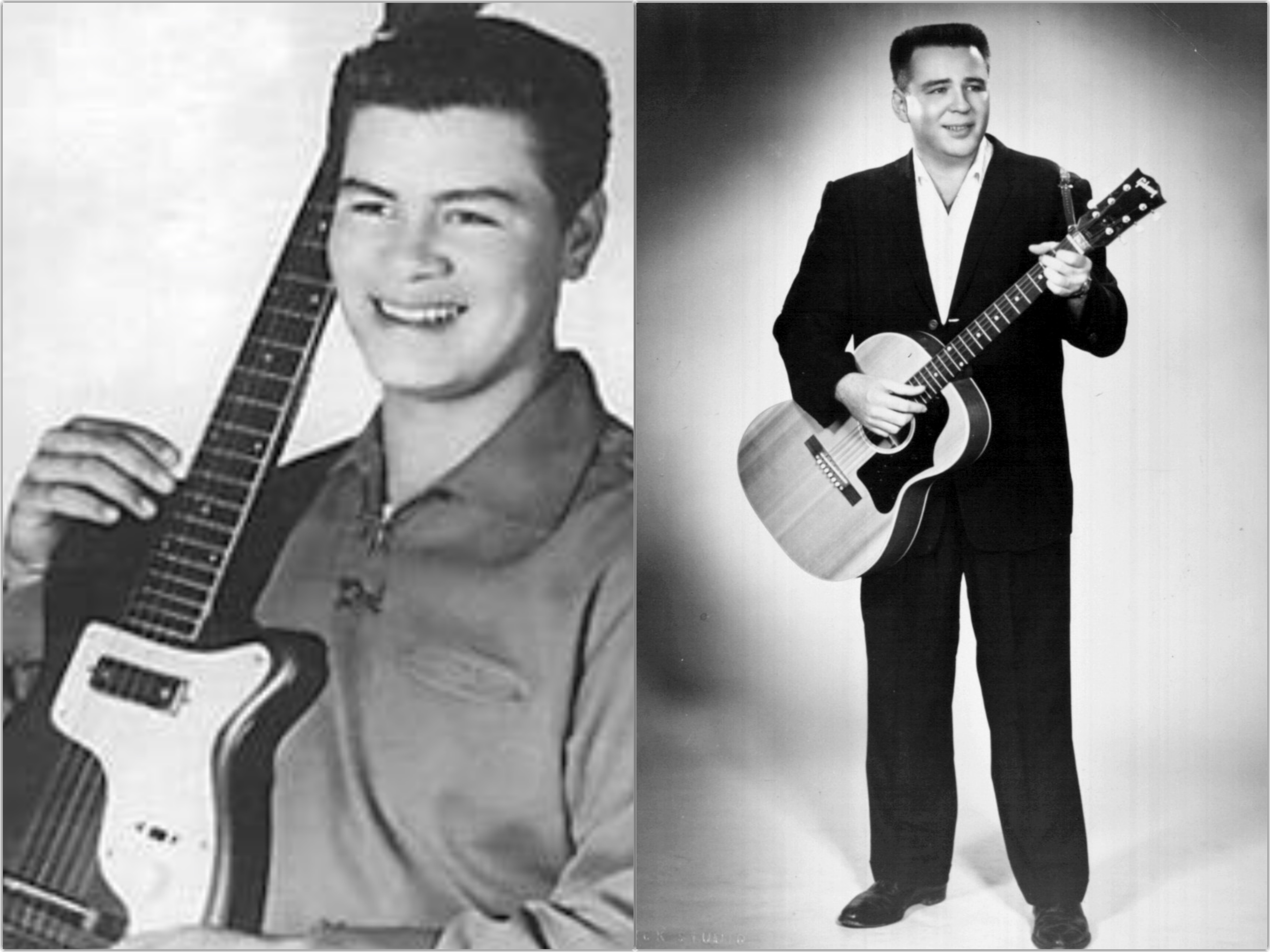
Ritchie Valens and the Big Bopper
The trio had chartered the aircraft after experiencing poor weather conditions and problems with the tour buses and saw it as their best chance of getting to their next destination- Moorhead, Minnesota– as quickly as possible.
The aircraft took off in light snow at 12.55am but quickly encountered difficulties and plummeted to the ground just after 1am.
All on board died instantly.
Buddy Holly was 22 years old. The Big Bopper was 28 and Ritchie Valens was just 17.
Please click on the clips below to hear these three musicians in their prime….
The Big Bopper: Chantilly Lace (broadcast autumn 1958)
Ritchie Valens: La Bamba (released October 1958)
Buddy Holly: It Doesn’t Matter Anymore (released January 1959)
***
Be sure to visit my new website; robslondon.com! And don’t forget to check out my YouTube Channel, where you’ll find exciting videos all about London’s history and hidden stories.
Jimi Hendrix’s London (Part Two)
Continuing our tour of Jimi Hendrix’s London (please click here to view part one)

Jimi Hendrix, Montagu Square, c. 1967
*
De Lane Lea Studios (now gone), 129 Kingsway WC2
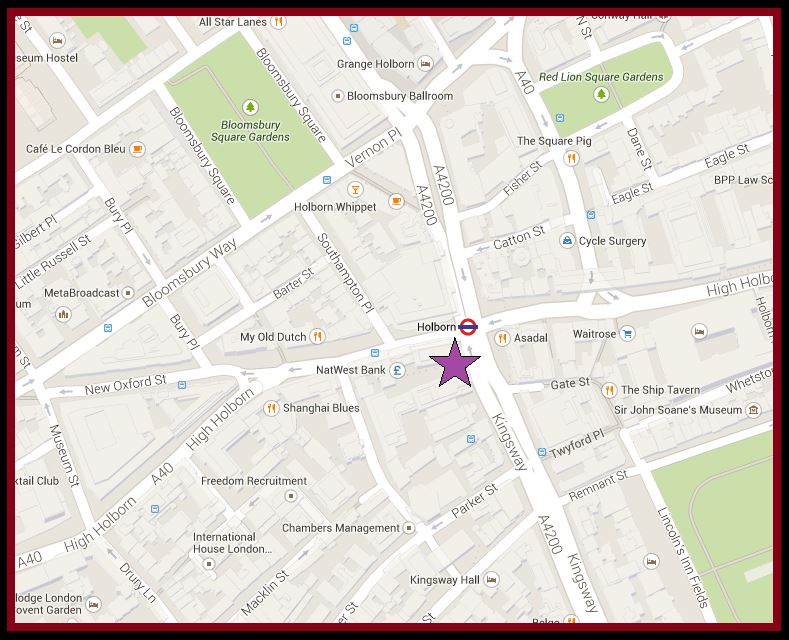
Now covered by a modern office block and a Boots chemist shop, 129 Kingsway was once home to a branch of Midland bank, the basement of which harboured a recording studio.

Site of 129 Kingsway today (image: Google)
Originally established by advertising firm, SH Benson as a workshop for capturing voice overs and catchy jingles, the studio was acquired in the 1960s by Major Jacques De Lane Lea; a French intelligence attaché who ran a side-line dubbing English films into French.

Inside De Lane Lea’s basement studio
In 1965 De Lane Lea expanded his facilities considerably, installing a top of the range sound desk which soon began to attract some of the greatest names in music.
Jimi Hendrix’s manager, Chas Chandler was familiar with the subterranean studio having worked there during his time with The Animals, and on 23rd October 1966 he brought Jimi Hendrix, Mitch Mitchell and Noel Redding to De Lane Lea Studios for the Jimi Hendrix Experience’s very first recording.

Jimi Hendrix at De Lane Lea Studio
During the session, the tracks, ‘Hey Joe’ and ‘Stone Free’ were laid down.

‘Hey Joe’ single with ‘Stone Free’ B-side
Although the Kingsway facility has long since gone, De Lane Lea lives on at 75 Dean Street, Soho.
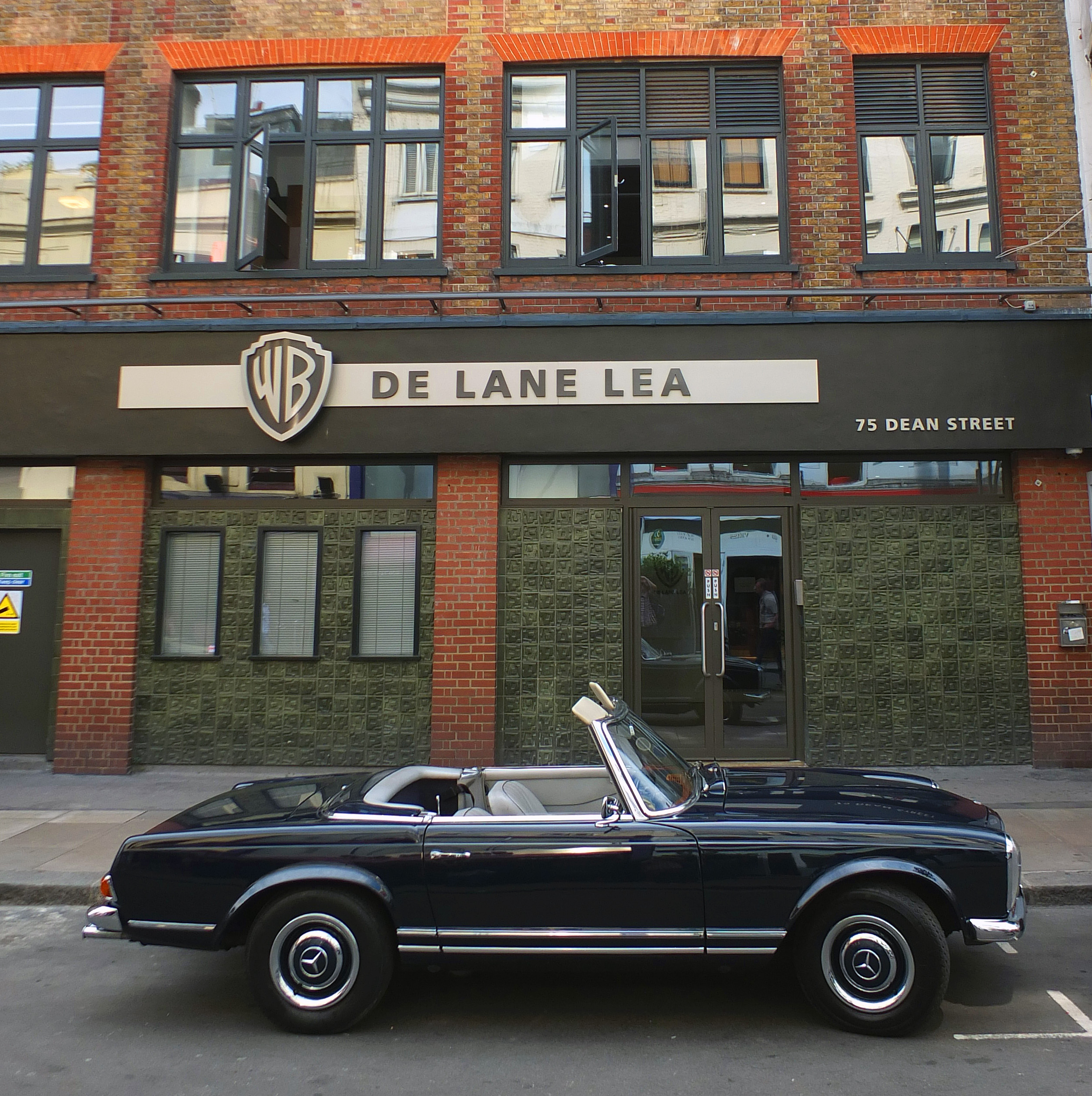
The current De Lane Lea Studio, Dean Street
*
Wandering London
During the rare occasions when he wasn’t rehearsing and gigging, recording or partying, Jimi Hendrix took great pleasure in exploring London’s streets which he likened to a “storybook”, and took particular inspiration from the city’s parks, statues, churches and stained glass windows.
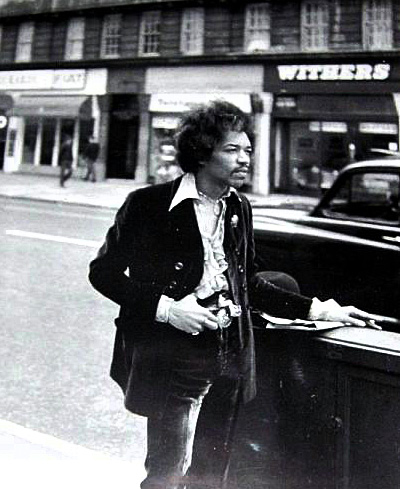
Jimi Hendrix, out and about in London, spring 1967
“One of the things I liked most about London was seeing window boxes filled with pretty little flowers,” he once said. “I really enjoyed being alone and getting in touch with my imagination, my actual thoughts. Music can be such a night-time thing, and the way I grew up, I was used to being part of nature.”
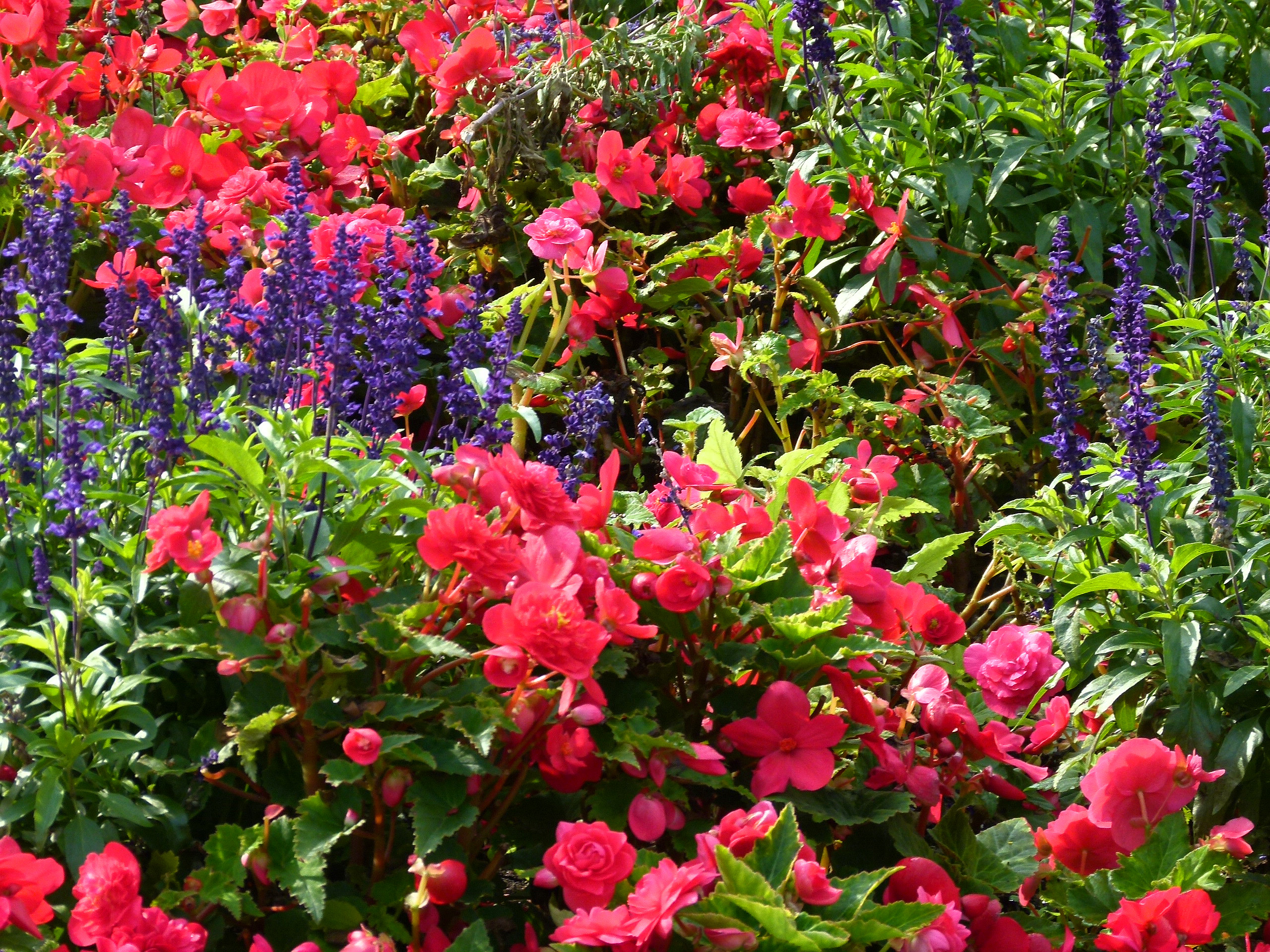
Flower display in London’s Victoria Park
Also fond of bookstalls, Jimi once picked up a worn copy of Charles Dickens’, David Copperfield; “I read it on a plane one time and started crying, it was so sad in parts…”
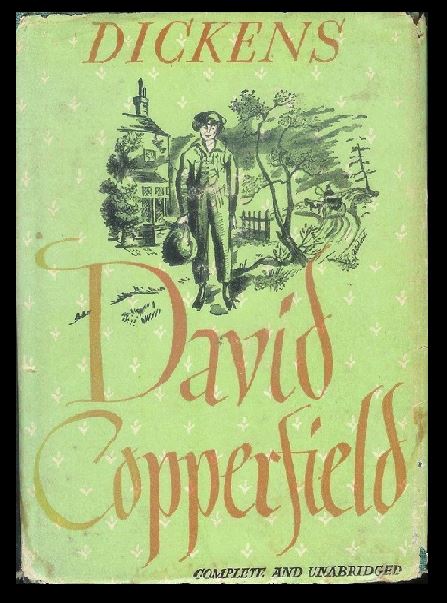
1950s edition of David Copperfield
*
The Marquee Club, 90 Wardour Street (now Floridita Restaurant) W1

Once one of London’s (and arguably the world’s) most important music venues, The Marquee first opened at 165 Oxford Street in 1958 (the location where the Rolling Stones made their live debut in July 1962) and moved to nearby Wardour Street, Soho in March 1964.
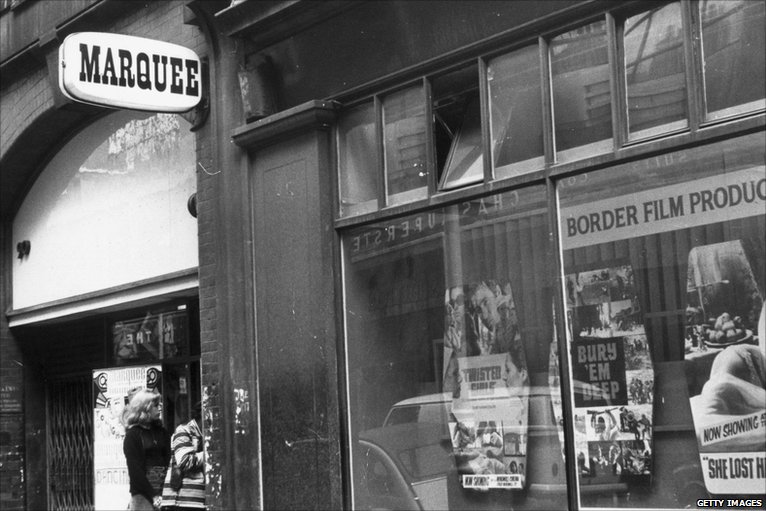
The Marquee Club, Wardour Street in the 1960s (image: BBC)
The Jimi Hendrix Experience played four gigs at the club, the first of which took place on the 24th January 1967. By this point, Jimi had developed a cult following and the queue to see him stretched all the way along Wardour Street, out onto Shaftesbury Avenue and up towards Cambridge Circus.

The Jimi Hendrix Experience conducting a sound check at the Marquee (image: Ray Stevenson)
1,400 lucky people managed to squeeze into the club that night; a record for the time. Naturally The Beatles, The Rolling Stones, Eric Clapton and Jeff Beck were all on the guest list.
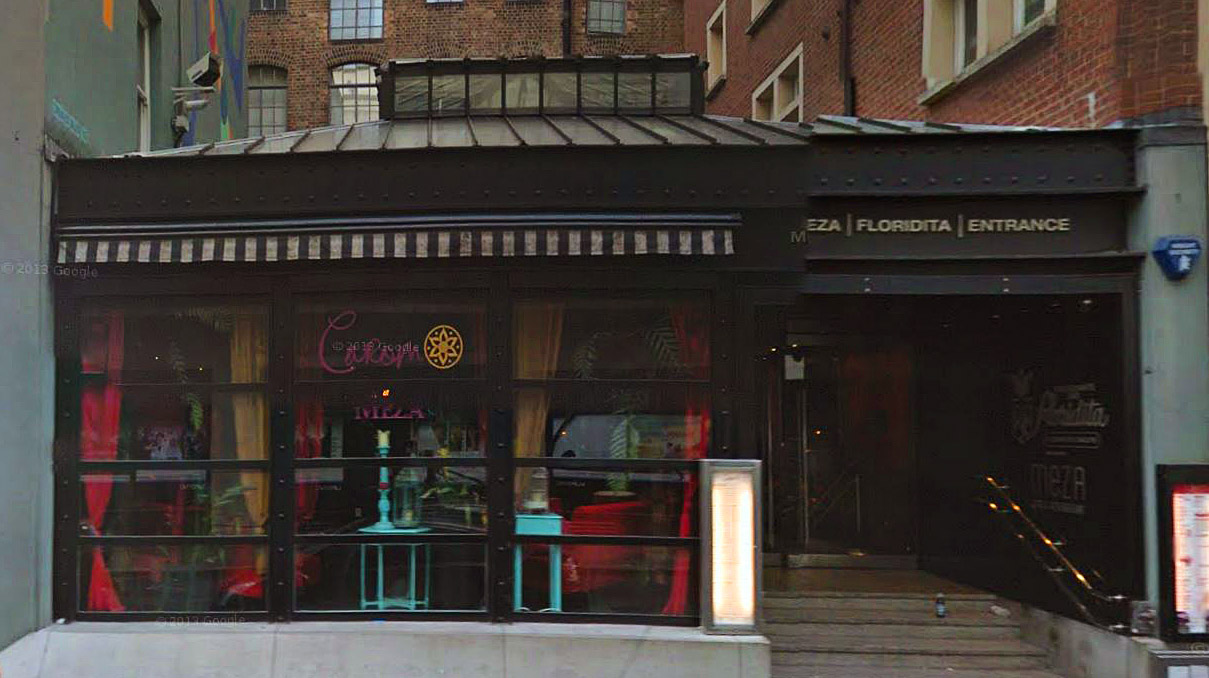
Site of the former Marquee club- now occupied by ‘Floridita’ restaurant (image: Google)
A clip of the Jimi Hendrix Experience performing a private gig at the Marquee in March 1967 for the German television show, Beat Club can be viewed below:
*
The Finsbury Astoria (now the Universal Church of the Kingdom of God), 232 Seven Sisters Road, N4

When it opened in 1930, the Finsbury Astoria was one of the largest cinemas on the planet.

The Finsbury Astoria, 1936
As well as offering films, the north London venue was also staging major concerts by the 1960s.
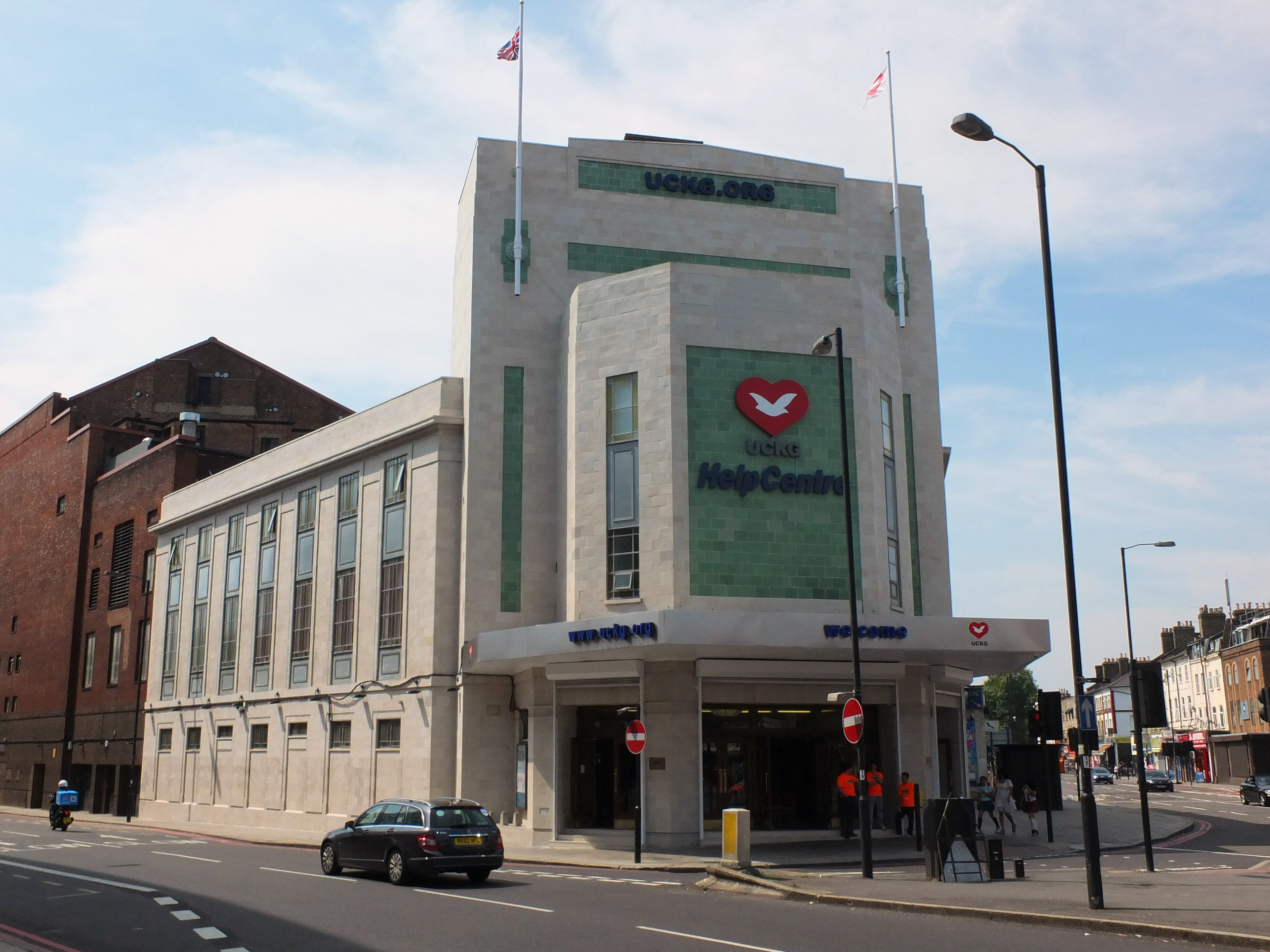
The former Astoria today- now a religious centre
The Jimi Hendrix Experience wowed the crowd here on the 31st March 1967, and at the end of the set Jimi carried out the ritual of setting fire to his guitar on stage for the first time.
“It was like a sacrifice,” he later explained, “You sacrifice the things you love. I love my guitar.”

Poster advertising the infamous 1967 gig
Although scorched, the guitar (a 1965 Fender Stratocaster) wasn’t completely destroyed that night and was salvaged by press officer, Tony Garland who stashed the instrument away in the garage of his parents’ Sussex home…where it was quickly forgotten.
Rediscovered forty years later by Tony’s nephew, Jimi’s old guitar was auctioned at a Shoreditch gallery in 2008 where it fetched the handsome sum of £280,000… not bad for a piece displaying signs of fire damage!
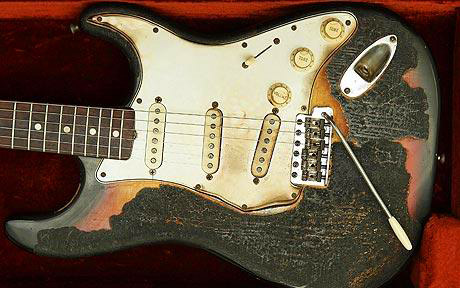
Jimi’s burnt guitar… now a prized collector’s item (image: Telegraph)
*
Regent Sounds Studio, 4 Denmark Street WC2

With its numerous music shops and bohemian hangouts, Denmark Street– or ‘Tin Pan Alley’ as it’s also known- has been closely associated with the entertainment biz since the 1900s.
Denmark Street as seen from Charing Cross Road
One of Denmark street’s stalwarts is Regent Sounds Studio which was established in the 1950s by Ralph Elman and taken on in 1961 by James Baring, an eccentric old Etonian and enthusiastic supporter of emerging pop acts.

James Baring… in his pilot gear!
Conditions in the early days were cramped and makeshift. When The Rolling Stones recorded their first album here in 1964 for example, the studio was sound-proofed with cardboard egg-boxes stuck to the walls!

Regent Sounds Studio
Jimi Hendrix, Mitch Mitchell and Noel Redding attended Regent Sounds over several days in October 1967 to rehearse and lay down some demo tracks.
Although Regent Sounds had accommodated many bands and musicians, it had never handled the likes of the Jimi Hendrix Experience before and on the 26th October staff at the neighbouring Labour Exchange lodged a complaint, stating that Jimi’s guitar riffs were so loud they could no longer hear themselves speak!
The group took the incident in good spirit and Jimi wound up the session with the words, “OK guys we’ve had a good rehearsal, we’d better find somewhere else to make our noise!”
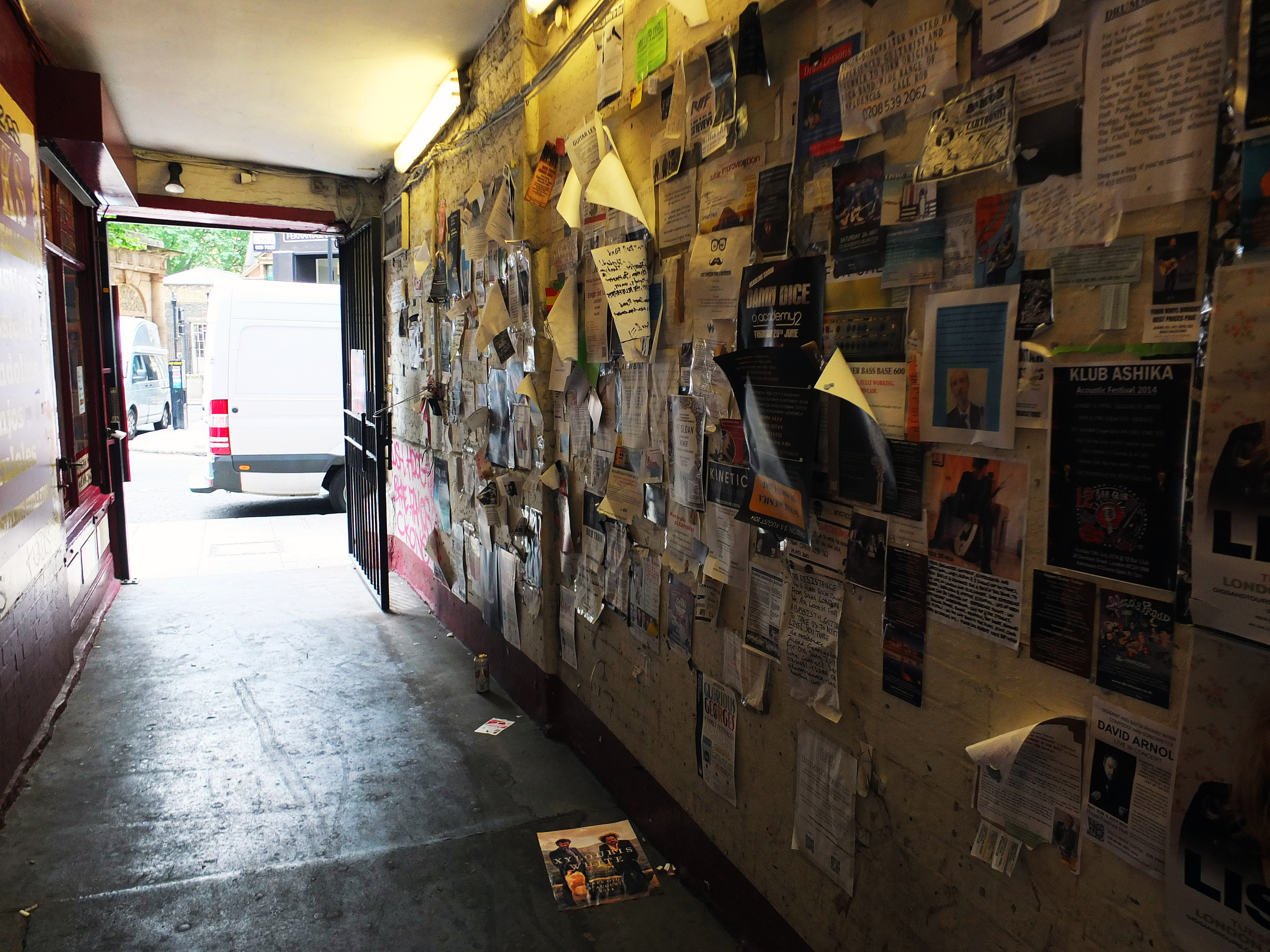
Denmark Place off of Denmark Street… an alleyway plastered with adverts and notices from aspiring musicians
*
Olympic Sound Studios, 117 Church Road Barnes, SW13
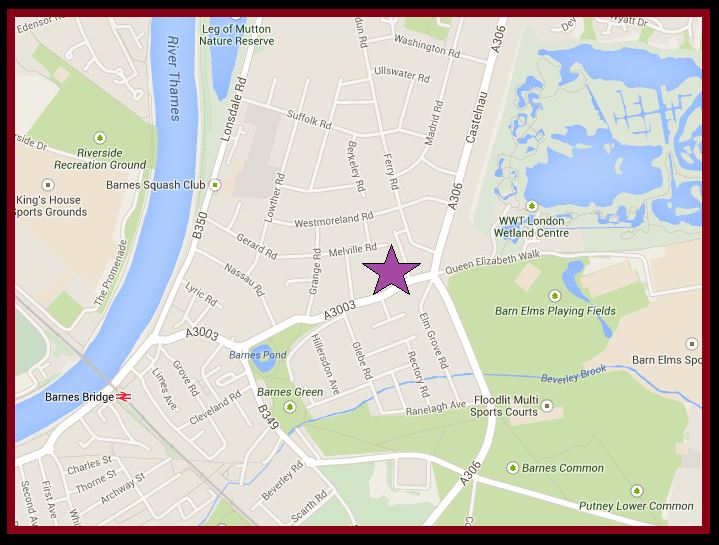
Olympic Studios in leafy south-west London was originally opened as a theatre in 1906 and later switched to a cinema.
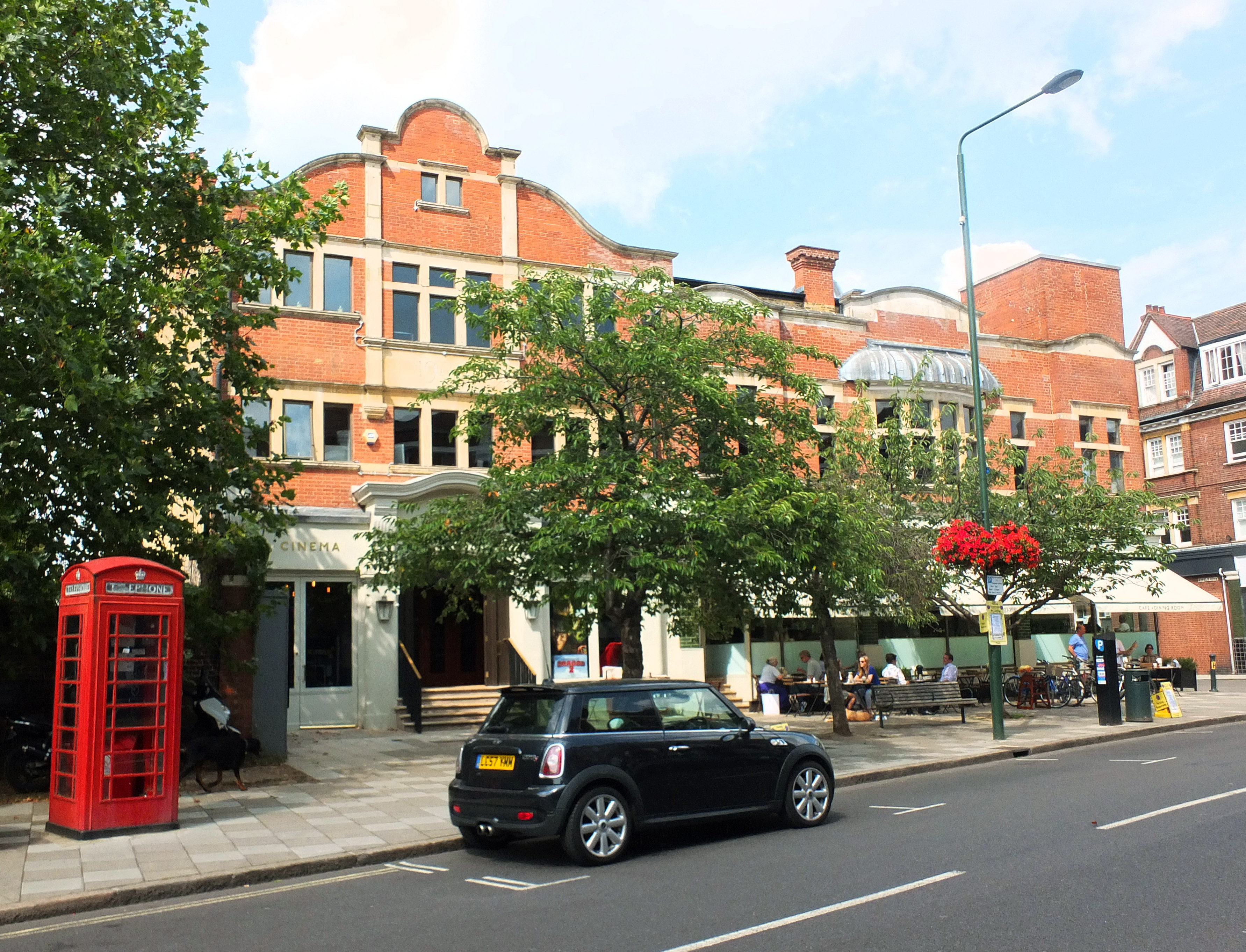
Olympic Studios
In the 1950s the building was converted into a recording studio which, along with Abbey Road Studios, became one of the UK’s most important in the 1960s.
The Jimi Hendrix Experience worked on all three of their studio albums- Are You Experienced (recorded between October 1966 and April 1967), Axis: Bold as Love (between May and October 1967) and Electric Ladyland (December 1967 to August 1968) at the Barnes-based studio.

The Jimi Hendrix Experience’s three celebrated studio albums
Senior engineer at Olympic, Eddie Kramer worked closely with Jimi Hendrix and had some fond memories, describing the guitarist as a surprisingly, “very, very shy guy…. Jimi was so focused. He had the most unbelievable amount of concentration on one idea.”

Jimi Hendrix at Olympic Studio’s mix desk
The Experience made a wealth of other recordings at Olympic, many of which have yet to see an official release. One batch, collected under the title, The Valleys of Neptune was finally made public in 2010.

The Valleys of Neptune; a recent compilation of previously unreleased material,much of which was recorded in south-west London
Today, Olympic Studios has returned to its former role as a cinema and also boasts a fine café and dining room.
*
The Saville Theatre (now the Odeon, Covent Garden), 135 Shaftesbury Avenue, WC2

When it opened in 1931 the Saville Theatre was one of London’s plushest venues and boasted seating for over 1,400 people.

The former Saville Theatre today- now an Odeon cinema
One of the theatre’s original features- a grand frieze entitled ‘Drama Through the Ages’ by Gilbert Bayes– can still be viewed high up on the venue’s facade.

Section of ‘Drama Through the Ages’
In the mid-1960s, Beatle’s manager, Brian Epstein initiated ‘Sunday Night at the Saville’; a weekly event in which the theatre was handed over for the showcasing of popular music acts.

Flyer for ‘Sunday Night at the Saville’
Many of the concerts became pretty rowdy- when Chuck Berry (one of Jimi Hendrix’s idols) appeared for example, the excited audience stormed the stage and police had to be called to restore order.
Pink Floyd, The Move, Procol Harum, Fairport Convention,The Who,The Bee Gees and many more all appeared at the theatre, whilst The Beatles used the stage for filming their promo to ‘Hello, Goodbye‘.
The Jimi Hendrix Experience treated audiences to a number of electrifying performances at the Saville throughout 1967.
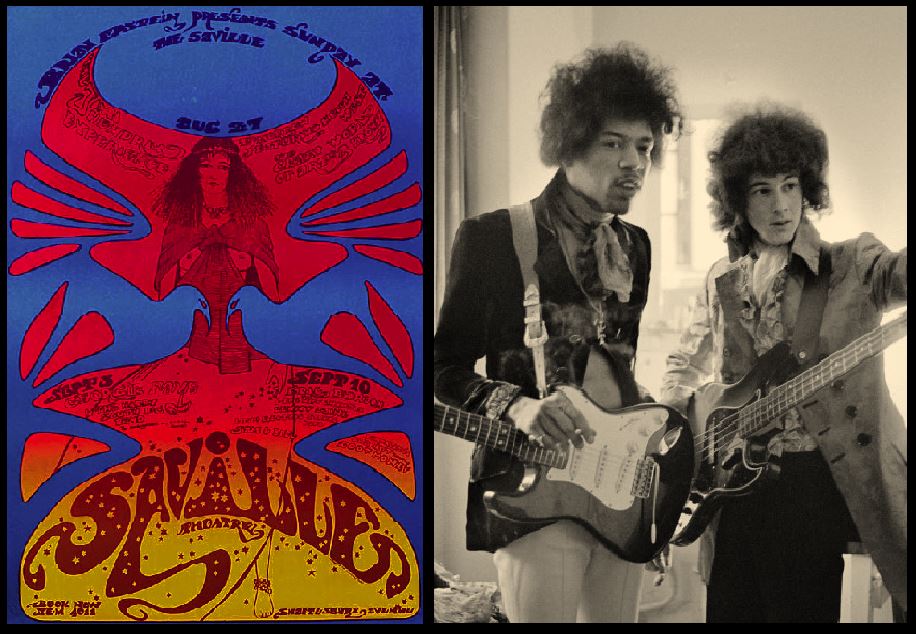
Left: Poster advertising the Jimi Hendrix Experience at the Saville Theatre. Right: Jimi Hendrix and Noel Redding backstage at the theatre
A concert programme from the time describes the Experience as having an “incredible gyrating dynamism that is both exciting and extraordinary. With fine lyrics, talented and professional musicians, a fresh original approach, and with you the audience, one lives the Jimi Hendrix Experience…”

The Jimi Hendrix Experience as portrayed in a Saville Theatre programme
On the 4th June 1967 and with The Beatles in attendance, Jimi paid tribute to his friends with a cover of Sergeant Pepper’s Lonely Hearts Club Band– an extraordinary gesture considering the track and album of the same name had only been released three days previously.
Please click below to view a clip:
After the performance, the Experience headed to America where they went on to take California’s Monterey Festival by storm.
Swinging London had blessed Jimi Hendrix,and the USA was now eager to embrace one of Seattle’s most famous sons.

Jimi Hendrix backstage at the Saville Theatre, 1967
But Jimi’s association with London wasn’t over yet…






 View from the Mirror